 EN
EN

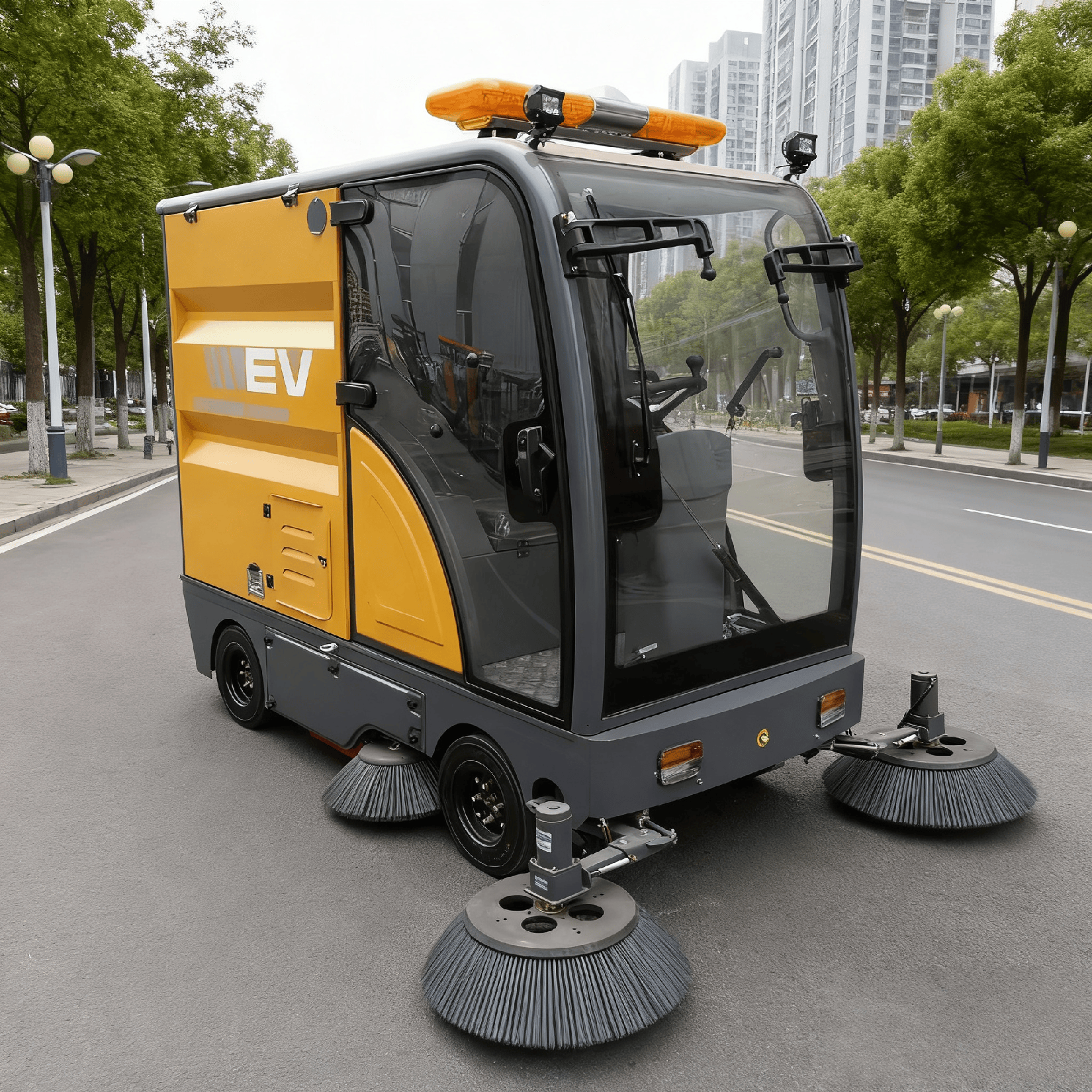
Core Durability Testing Protocols for Road Sweeper Certification
Dust load capacity under real-world municipal conditions
City road sweepers need to cope with quite a bit of mess, typically dealing with between 1.5 and 3.5 kilograms per square meter of debris across urban areas. Tests actually mimic what happens in real life situations too - think about all that dust and tiny particles floating around factories, leaves piling up after autumn, and loose gravel scattered along side streets. When it comes down to how well these machines work, they've got to filter out at least 99.1 percent of those really small PM2.5 particles when running nonstop for eight hours straight. And here's something important for manufacturers to know: if a sweeper loses more than 15 kilopascals of suction power when overloaded, it simply won't make the cut for contracts in European Union cities looking to buy new equipment.
Motor endurance and thermal stress thresholds (ISO 50001-aligned)
Certification requires 2,000+ hours of operational stress testing—including thermal cycling between –20°C and 55°C and sustained 95% hydraulic load capacity. Motors exceeding ISO 50001-aligned energy thresholds by >7% during peak demand fail validation. Brush gear resilience is confirmed through 500,000+ directional shifts, preventing premature wear in heavy-duty applications.
Mandatory Certification Standards for Road Sweeper Tender Compliance
CE marking & EN 15643-2 structural safety for EU public tenders
For road sweepers sold in Europe, getting that CE mark isn't optional it's required by law. This certification basically proves that these machines meet all the EU standards when it comes to safety, worker health, and environmental impact. There's also something called EN 15643-2 which gets really specific about how strong the vehicle needs to be. Manufacturers have to show their chassis can handle the kinds of stress that happen every day during those long street cleaning operations. City officials who buy this equipment want to see all this paperwork because they need machines that last through years of hard use while keeping operators safe no matter what kind of streets they're working on.
EPA Tier 4 Final emissions certification and hydraulic system impact
The EPA Tier 4 Final standards are the main rules controlling engine emissions for road sweepers across North America. These regulations require advanced exhaust treatment systems along with ultra low sulfur diesel fuel. The impact? Cooling needs go way up for emission control parts. About two thirds of manufacturers have noticed their hydraulic circuits running hotter than before because of these new requirements. Most modern equipment comes equipped with diesel particulate filters plus selective catalytic reduction technology, which makes hydraulic systems around 15 percent more complicated to work with. Getting this certification isn't just nice to have either it's pretty much mandatory if cities want to bid on contracts in those 42 U.S. states where clean air laws are strictly enforced.
Structural Resilience Requirements in Municipal Road Sweeper Procurement
Chassis fatigue life validation: ASTM E466 testing for 10,000+ km gravel-road cycles
Gravel roads put serious wear and tear on municipal road sweepers because their bumpy surfaces create repeated stress patterns that wear down metal over time. The ASTM E466 test checks how well a sweeper's frame holds up against real world conditions by shaking it for what's basically 10,000 kilometers worth of vibrations - about what happens after five years of regular use. During these tests, important parts like welds and frame connections get hit with pressures above 9,000 Newtons per square meter while engineers watch for tiny cracks forming. Sweepers that pass this rigorous check end up failing much less often when actually working out there. According to last year's Municipal Fleet Reliability Report, they experience around 92 percent fewer breakdowns compared to models that don't meet these standards.
Key validation metrics include:
- Load distribution: Measuring torsion resistance when brushes encounter debris at 15 km/h
- Corrosion resistance: Salt-spray testing simulating coastal or winter road conditions
- Impact tolerance: Drop tests replicating pothole strikes at operational weights
Procurement specifications increasingly mandate ASTM E466 certification, as it reduces lifecycle costs by 37% compared to non-validated units. Chassis failures account for 14% of municipal downtime incidents—making this validation a critical factor in bid evaluation.
Structural fatigue testing reflects real-world gravel-road dynamics where stress concentrations peak near axle mounts and hydraulic reservoirs.
Filter System Durability and Performance Benchmarks for Road Sweeper Tenders
Today's city contracts for filtration equipment demand systems that can capture at least 99 percent of particles as small as half a micron. This helps cities meet their air quality goals while protecting public health from breathing problems. The synthetic materials used in these filters last much longer than traditional options. Even after running nonstop for over 1,000 hours, they still maintain around 92 percent efficiency despite dealing with vacuum pressures and changing temperatures throughout the day. Most tender documents specify that vendors need to show proof of how well their systems handle dust loads. Basically, the filters should be able to process roughly 300 grams per cubic meter of fine particles without getting blocked or causing too much resistance (no more than 15 kilopascals). These standards mean fewer service calls when crews are doing heavy street cleaning work, and parts tend to last about 40 percent longer than those made from paper-based materials. City procurement teams have started insisting on real-world testing too. Contractors must validate their products using lab tests that simulate what happens over a full year of actual operation in urban environments.
FAQ Section
What criteria must a road sweeper meet to be certified in the EU?
In the EU, road sweepers must obtain a CE mark and comply with EN 15643-2 standards for structural safety. This ensures the machines meet safety, health, and environmental standards while having robust structural integrity.
Why are EPA Tier 4 Final standards important for road sweepers in North America?
EPA Tier 4 Final standards dictate engine emissions requirements, ensuring road sweepers use advanced exhaust treatments and fuels that meet clean air laws. These standards are critical for securing contracts in states with stringent air quality regulations.
How do tests like ASTM E466 enhance road sweeper reliability?
ASTM E466 tests simulate real-world vibrations and stresses, verifying chassis durability over extended use. Sweepers that pass experience fewer breakdowns and offer lower lifecycle costs, making them favorable for municipal procurements.
What are the benefits of modern filter systems in today's road sweepers?
Modern filters capture over 99% of particles as small as half a micron and maintain high efficiency over extensive usage hours. This reduces service calls and prolongs part longevity, crucial for meeting urban air quality standards.