 EN
EN

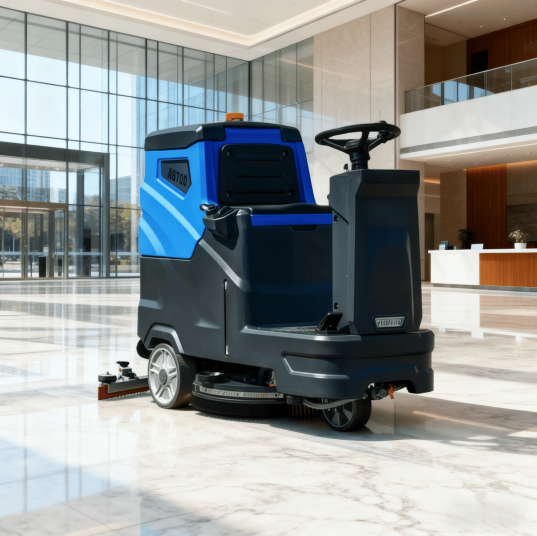
How Multi-Shift Operation Impacts Floor Scrubber Machine Battery Lifespan
Operating floor scrubber machines across multiple shifts introduces unique stresses that accelerate battery degradation. Two primary factors drive this accelerated wear: runtime compression during continuous use and cycle life erosion from frequent discharge-charge sequences.
Runtime Compression: Why Continuous Use Reduces Effective Daily Capacity
Batteries powering scrubbers during consecutive shifts without getting fully charged tend to lose voltage much sooner than expected. This happens because they build up heat over time and constantly cycle between partial charges. The effect? A noticeable drop in actual runtime. Instead of lasting what manufacturers claim, say around 6 hours in lab conditions, these batteries often run out after just 4 or 4.5 hours when used all day long. With this compressed runtime, operators end up discharging batteries too deeply each time. Deep discharges wear down the cells faster and mean less ground gets cleaned before needing another recharge.
Cycle Life Erosion: The Hidden Cost of Frequent Discharge-Recharge Cycles
Every time a battery experiences a partial discharge, it eats into its overall cycle life. Most facilities running on single shifts usually see about one complete charge/discharge cycle each day, whereas plants operating multiple shifts can rack up 2 to 3 cycles daily, which really speeds up how fast these batteries wear out. Lead acid batteries suffer from this problem particularly badly. At around 50% depth of discharge, they last roughly 1,200 cycles before needing replacement. But push them to 80% discharge depth and that number plummets to only about 600 cycles. Lithium ion alternatives do better over time, though even they start losing capacity after about 2,000 cycles when used frequently throughout the day. The gradual loss in performance means shorter operational lifespans and maintenance expenses that climb as much as 40% over five years compared to what was originally expected.
Battery Technology Comparison for Floor Scrubber Machines in Multi-Shift Environments
Selecting the optimal battery technology directly impacts productivity and total cost of ownership in demanding multi-shift operations. Different chemistries exhibit distinct performance trade-offs under continuous use cycles.
Lithium-Ion: Superior Cycle Life and Consistent Runtime Across Shifts
The lithium iron phosphate or LiFePO4 batteries last anywhere from three to five times longer than traditional lead acid options when used in floor scrubber machines. What makes them stand out is their flat discharge curve which keeps voltage steady throughout entire work shifts. This means no sudden drops in power like what happens with lead acid batteries during deep discharges. These batteries can handle over two thousand charge cycles before needing replacement. Plus they come equipped with built in Battery Management Systems that stop dangerous thermal runaway situations. After five years of constant use across multiple shifts, these batteries still retain around ninety percent of their original capacity. Sure, upfront costs are about two to three times what lead acid would cost initially. But most facilities find that saving money on frequent replacements and avoiding downtime pays back the extra investment within eighteen to thirty months, especially at places where machines run non stop all day long.
Lead-Acid Variants: Trade-offs in Cost, Resilience, and Deep-Cycle Suitability
Conventional lead-acid batteries present lower upfront costs but incur hidden expenses through frequent replacements and maintenance. Performance varies significantly by subtype:
| Type | Cycle Life | Deep-Cycle Resilience | Maintenance Needs | Cost per Cycle |
|---|---|---|---|---|
| Flooded | 500–700 | Poor (sulfation risk) | High (water refills) | $0.18–$0.22 |
| AGM | 600–800 | Moderate | Low | $0.20–$0.25 |
| TPPL | 1,000–1,200 | Good | None | $0.15–$0.18 |
Thin Plate Pure Lead (TPPL) technology offers the best lead-acid performance with 80% depth-of-discharge tolerance—making it viable for two-shift operations. However, all lead-acid chemistries suffer progressive capacity loss when opportunity-charged between shifts, unlike lithium-ion's proven tolerance for partial recharges.
Optimizing Charging Strategy to Sustain Floor Scrubber Machine Battery Performance
Opportunity Charging: Boosting Uptime Without Sacrificing Lithium-Ion Longevity
Quick charges during short breaks or when operators switch shifts can actually boost productivity for facilities running multiple shifts throughout the day. Lithium ion batteries handle these brief top ups much better than old school lead acid ones which degrade over time with partial charges. Most places find that spending just 15 to 20 minutes here and there keeps equipment running all through their work periods without letting batteries drain completely between charges. The wear and tear gets significantly reduced this way. Industrial maintenance reports show facilities cutting down on expensive battery replacements by around a quarter to almost a third when they ditch the old habit of waiting until batteries are totally empty before recharging them again.
Overnight Charging Best Practices: Avoiding Stress on Li-ion During Downtime
Charging lithium-ion batteries overnight can actually help preserve their health over time if done right. Don't keep them at full charge when they aren't needed since staying at maximum voltage for too long speeds up the breakdown of the electrolyte inside. A better approach? Get a smart charger that cuts back to around 13.6 volts once the battery is full. Also important: let batteries cool down below about 104 degrees Fahrenheit before plugging them in, and try to keep the surrounding temperature somewhere between 50 and 86 degrees while they charge. When storing devices for longer periods, aim to have them at roughly half charge (around 50-60%) to slow down the loss of capacity over time.
FAQ
Why do floor scrubber machine batteries degrade faster in multi-shift operations?
The faster degradation of floor scrubber machine batteries in multi-shift operations occurs primarily due to runtime compression and cycle life erosion. Continuous use without full charges and frequent discharge-charge cycles contribute to accelerated wear.
How does runtime compression affect battery lifespan?
Runtime compression reduces effective daily capacity because batteries lose voltage quicker when they cycle between partial charges throughout consecutive shifts. This leads to deeper discharges that wear down the cells faster, shortening battery lifespan.
What are the advantages of lithium-ion batteries in multi-shift environments?
Lithium-ion batteries offer superior cycle life and consistent runtime across shifts. They maintain steady voltage throughout shifts and can handle numerous charge cycles without significant capacity loss. Despite higher initial costs, they reduce downtime and frequent replacements.
What is opportunity charging, and how does it benefit lithium-ion batteries?
Opportunity charging involves brief top-ups during breaks or shift changes, enhancing productivity by preventing complete battery drainage. Lithium-ion batteries tolerate these partial charges better than lead-acid batteries, leading to less wear and fewer replacements.