 EN
EN

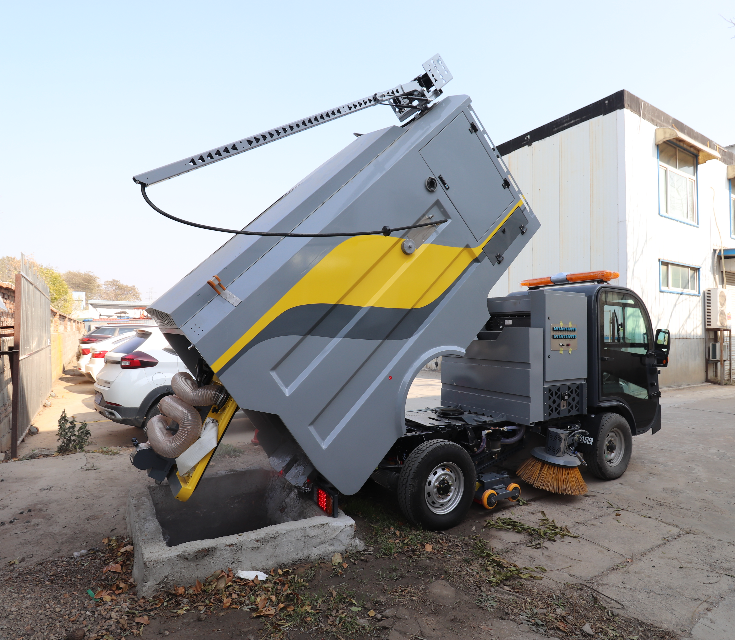
High-Wear Street Sweeper Components Requiring Proactive Replacement
Brooms and Brushes: Matching Type, Material, and Duty Cycle to Urban Conditions
The brushes on street sweepers take a real beating against asphalt and concrete surfaces, so picking the right materials makes all the difference. Nylon core brushes tend to outlast wire bristle ones by around 15 to 20 percent in coastal areas where salt really eats away at equipment over time. For places with lots of debris buildup, most operators find they need to swap out those gutter brooms somewhere between 80 and 100 hours of operation. When dealing with heavy leaf fall, going for polymer blend main brooms works better since they stand up to those pesky organic acids from decomposing vegetation. Weather matters too. Cold temperatures can make polypropylene components crack and break down much quicker, while hot summer days just warp natural fiber parts. Getting the pile density right for different pavement types helps prevent those annoying situations where bristles start falling out prematurely, which nobody wants because it leads to costly interruptions in service.
Rubber Skirts, Curb Brooms, and Hopper Screens: Critical for Debris Containment and Airflow Efficiency
When rubber skirts wear down, they let air escape through vacuum leaks which can cut debris capture capacity by around 30%. Damaged hopper screens tend to block filters and mess with the normal airflow patterns inside the system. The reinforced nitrile material used for skirts stands up much better against curb impacts and sun damage compared to regular rubber options. This tougher construction means parts last roughly 200 extra hours before needing replacement. Those curved brooms on the containment system really help stop gravel from bouncing back when positioned correctly relative to the chassis angle. For best results, make sure they're within about 5 degrees alignment. Perforated stainless steel screens work wonders at catching tiny bits of debris without slowing down airflow too much. Maintenance crews should check skirt thicknesses every three months and swap out hopper screens approximately twice a year to keep suction performance at peak levels. Something worth noting is that particles measuring just 7 microns account for nearly two thirds of all hydraulic system failures. This highlights why maintaining good containment integrity isn't just about keeping things clean but actually protecting vital components of the equipment.
Hydraulic and Water System Parts That Protect Street Sweeper Performance and Longevity
Filters, Seals, and Hoses: Managing Contamination and Thermal Stress in High-Dust Environments
Road dirt and grime constantly get into hydraulic and water systems, which is why filters are so important for keeping things running smoothly. Most good quality filters catch about 95 percent of those abrasive particles before they can damage pumps and valves. When it comes to hydraulic systems specifically, these filters cut down on component wear by roughly 40% because they stop parts from rubbing against each other directly. Water filtration works differently but is just as crucial for maintaining efficient spray nozzles. Without proper filtering, sediment builds up over time and leads to all sorts of cleaning problems down the road. That's something maintenance crews definitely want to avoid.
In the real world of municipal service work, seals face brutal thermal changes all day long from sitting idle to sudden RPM jumps. The synthetic rubber seals that can handle temps from minus 40 degrees up to around 300 degrees simply don't get brittle or crack like regular materials do over time. When it comes to hoses, nothing beats reinforced thermoplastics with those tough abrasion resistant sleeves wrapped around them. These beat out old school rubber hoses when dealing with three main problems on the job site. First there's the constant pounding from road debris hitting against the sides. Then we have those massive pressure surges that go past 3,000 PSI whenever the vacuum system kicks in. And finally, the never ending bending and twisting at connection points where joints move constantly through their range of motion.
Contamination drives 75% of hydraulic failures, and degraded seals or hoses account for 60% of unplanned downtime in municipal fleets. Proactive replacement of these components preserves sweeping precision and extends equipment service life by 2–3 years.
Sweeping Mechanism & Vacuum Support Parts: Belts, Bearings, and Nozzles
When it comes to keeping street sweepers running smoothly, three components work behind the scenes without getting much recognition: drive belts, precision bearings, and vacuum nozzles. The drive belts are responsible for transferring power to those spinning brushes, but they don't last forever. Road grit gets everywhere and combined with heat from constant operation, these belts start showing their age pretty quickly. A recent look at municipal fleets found that about one out of every four unexpected breakdowns during sweeping operations were actually caused by worn out drive belts. Then there's the matter of precision bearings which let all those moving parts spin freely. But when dust manages to sneak into these critical spots, things go south fast. In areas where silt is a problem, bearings can completely lock up after just around 500 hours of work. And let's not forget about vacuum nozzles either. These little guys direct the airflow that sucks up all the dirt and trash. Even something as simple as a slight bend in the nozzle or some mineral buildup from water exposure can cut down how effective the sweeper is at picking stuff up by nearly half.
Proactive replacement cycles prevent cascading failures:
- Belts: Inspect monthly for cracking or slack; replace every 300–400 hours
- Bearings: Relubricate biweekly; replace annually or at 1,200-hour intervals
- Nozzles: Clear clogs daily; replace when seal gaps exceed 3mm or alignment deviates
Neglecting these components risks costly secondary damage—a seized bearing can warp drive shafts ($1,200+ repair), while compromised nozzles overwork vacuum motors. Fleets prioritizing disciplined replacement of these consumables cut maintenance costs by 18%, per municipal operations data.
OEM vs. Aftermarket Street Sweeper Parts: Balancing Cost, Reliability, and Total Lifecycle Value
When choosing parts for street sweeper fleets, price isn't everything. Fleet managers need to look at how often things break down, whether parts work together properly, and if they'll last through years of operation. Aftermarket options might save between 20 to 40 percent initially, but according to recent industry reports, going with OEM parts actually cuts unexpected breakdowns by around 30 something percent over about three years. The reason? These factory made parts are built exactly to match what came out of the plant originally. Generic replacements tend to fail because they don't seal as well or hold up against all the grit and grime found on city streets day after day.
Real-World Uptime and TCO Data: OEM Filters vs. Tier-1 and Generic Alternatives
Filtration systems exemplify this cost-reliability tradeoff:
| Component Type | Avg. Uptime | 3-Year TCO | Failure Frequency |
|---|---|---|---|
| OEM Filters | 98% | $12,000 | 0.2 incidents/yr |
| Tier-1 | 92% | $14,500 | 1.1 incidents/yr |
| Generic | 78% | $18,200 | 3.4 incidents/yr |
Source: Municipal Fleet Operations Benchmark 2025
When it comes to catching dirt and debris, OEM filters really stand out compared to generic options. They grab about 99.4% of particles while most generic filters only manage around 93%. This matters because hydraulic contamination is responsible for roughly two thirds of all sweeper system breakdowns. Some Tier-1 alternatives do close the gap somewhat in performance, but over time they actually end up costing about 21% more than OEM filters. Why? Because there's more labor involved, parts need replacing more often, and sometimes other components get damaged too. For fleet managers dealing with environments full of dust and particulates, sticking with OEM filtration makes sense if they want both consistent operation and better long term budget management.
FAQ
How often should street sweeper brushes be replaced?
Brushes typically need replacement between 80 and 100 hours of operation, depending on urban conditions and debris buildup.
What is the advantage of OEM parts over aftermarket alternatives?
OEM parts are designed to precisely fit and function with existing systems, reducing unexpected breakdowns by about 30% over three years compared to aftermarket parts.
Why are rubber skirts important for street sweepers?
Rubber skirts help maintain airflow efficiency and debris containment. Worn skirts can reduce debris capture capacity by around 30% due to vacuum leaks.
What components have the highest impact on sweeper efficiency?
Drive belts, bearings, and vacuum nozzles greatly affect efficiency. Regular replacement and maintenance reduce risks of secondary damage and costly repairs.
How does contamination affect hydraulic and water system performance?
Contamination accounts for 75% of hydraulic failures. Effective filtration keeps systems running smoothly and reduces component wear.
Table of Contents
- High-Wear Street Sweeper Components Requiring Proactive Replacement
- Hydraulic and Water System Parts That Protect Street Sweeper Performance and Longevity
- Sweeping Mechanism & Vacuum Support Parts: Belts, Bearings, and Nozzles
- OEM vs. Aftermarket Street Sweeper Parts: Balancing Cost, Reliability, and Total Lifecycle Value
-
FAQ
- How often should street sweeper brushes be replaced?
- What is the advantage of OEM parts over aftermarket alternatives?
- Why are rubber skirts important for street sweepers?
- What components have the highest impact on sweeper efficiency?
- How does contamination affect hydraulic and water system performance?