 EN
EN

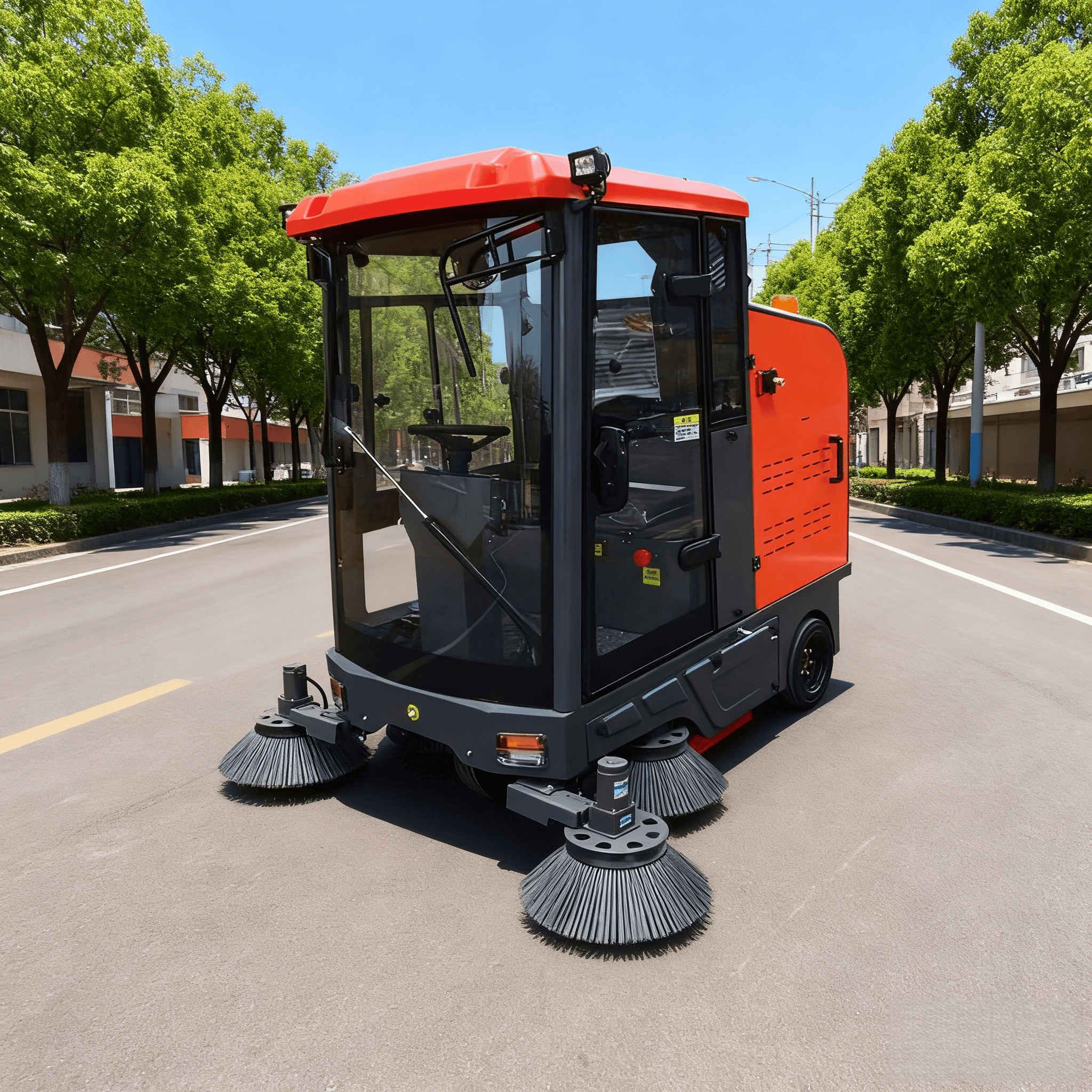
Challenges of Operating Street Sweepers in Narrow Urban Environments
Street Sweeper Size and Urban Road Width Compatibility
Most modern street sweepers need at least 2.5 to 3 meters of space to work properly, yet according to data from Urban Mobility Institute back in 2023, over two thirds of those narrow access roads in old city centers are actually narrower than 2.2 meters. The result? Serious traffic snarls for maintenance crews. Things get even worse when there are cars parked haphazardly along the curb or construction barriers taking up extra room. Sweep truck drivers often find themselves stuck in these so called "sweeper traps" situations where they have to maneuver past lamp posts, benches, and other street fixtures with almost surgical accuracy. And this careful dance comes at a cost: studies show such tight spots lead to nearly three times as many scraping incidents on historic streets compared to regular suburban neighborhoods.
Limited Access Points and Turning Radius Constraints
Most full size street sweepers require at least a 10 meter turning space, but about 41 percent of old neighborhood alleys built before the 1950s simply can't accommodate this. When access points are too tight, operators have no choice but to make multiple awkward turns which adds roughly 34% extra time for every kilometer cleaned according to the Logistics Efficiency Report from last year. And things get even trickier in European urban areas where nearly three quarters of all cul de sacs were constructed without proper through traffic design. This means crews often have to back up dangerously when maneuvering, significantly raising accident risks during operations.
Operational Difficulties in Historic Districts and Dense Neighborhoods
The uneven cobblestone streets from medieval times make street sweeping much less effective, cutting down on efficiency by around 40% when compared with regular paved roads. Cities such as Prague and Edinburgh face additional challenges because noise limits are usually set around 65 decibels. Plus there are those morning markets popping up all over town which further restricts the window for cleaning crews to just two or three hours each day. Recent tests have shown that smaller electric sweepers manage about an 89% success rate at picking up trash in these areas. However, operators need to spend roughly 22% extra time getting the job done since these machines have smaller bins and cover ground more slowly than their conventional counterparts.
Compact Street Sweeper Design: Engineering for Confined Spaces
Downsized Street Sweeping Vehicles Built for Urban Density
Manufacturers have started making street sweepers that are under 2.5 meters wide, which is about 34 percent narrower than regular models. This helps them get into those narrow roads found in many old European cities where roughly two thirds of all streets measure less than four meters across according to Municipal Fleet Review from last year. The smaller sweepers still work well thanks to their vertical trash bins and brushes that spin both ways so they can clean properly whether moving forward or backing up. Some operators report these machines handle most jobs just fine despite their reduced size, though there are occasional complaints about capacity limits on really busy routes.
Lightweight Materials and Modular Components in Compact Sweepers
Aluminum chassis and carbon-fiber hoppers reduce vehicle weight by 1.2 to 1.8 metric tons compared to steel-frame models, improving maneuverability and reducing pavement stress. Modular attachments allow rapid reconfiguration for diverse environments:
- Gutter-specific brushes (25 cm diameter) for medieval cobblestone lanes
- Retractable side nozzles for Barcelona’s variable-width carrer streets
- Collapsible suction hoses for Tokyo’s overhead obstacle-rich alleys
Zero-Turn Technology and Enhanced Maneuverability for Narrow Pathways
Advanced steering systems enable turning diameters as tight as 5.4 meters - comparable to mid-size passenger vehicles. Combined with rear-wheel articulation (±12°), zero-turn capability allows effective cleaning of serpentine Venetian footpaths while maintaining 95% debris capture. Four-wheel independent suspension adapts to uneven heritage surfaces, reducing road wear by 27% versus rigid-frame counterparts.
Maneuverability and Efficiency in Tight Urban Networks
Modern street sweepers employ three key strategies to maintain efficiency in dense cityscapes while minimizing traffic disruption:
Key Steering Mechanisms and Wheel Configurations for Tight Turns
- Articulated front axles enable 45-degree turning angles - 30% tighter than standard models (Urban Cleaning Report 2023)
- Quadrasteer systems with rear-wheel steering reduce turning radii to 4.2 meters
- Hydraulic crab steering allows diagonal movement, ideal for cleaning between parallel parking spaces
These innovations support full brush functionality on streets as narrow as 3.5 meters.
Balancing Cleaning Speed and Coverage in Constrained Spaces
In dense urban grids, operators face an 18 to 22% efficiency penalty compared to suburban routes, necessitating speed adjustments between 3 to 8 km/h based on debris load. Advanced models use LiDAR sensors to dynamically regulate brush pressure and suction power, sustaining 95% debris capture even at higher speeds.
Data-Driven Route Optimization for Narrow Road Networks
Cities using predictive route algorithms report 32% fewer missed zones and 41% lower fuel consumption in historic districts. Real-time integration with traffic data enables sweepers to:
- Avoid emerging congestion
- Coordinate with garbage collection schedules
- Prioritize high-footfall areas before peak hours
This approach has helped European capitals maintain 98% street cleanliness compliance in roads under 5 meters wide, despite a 22% annual tourism increase since 2019.
Real-World Applications: Cities Using Compact Street Sweepers Effectively
Compact Sweepers in Historic European City Centers
Prague, Rome and Lisbon have started using smaller street sweepers made especially for their ancient city layouts. These compact machines are only 1.8 meters across, which means they can get through those narrow cobblestone alleys that regular sweepers simply can't handle. The result? They clean about 95% of all roads narrower than three meters wide throughout these historic cities. City workers who operate these machines say maintenance bills drop by around two thirds compared to older models. The reason? Better suspension systems built to take the beating from centuries worth of uneven stone pavement that makes up so much of Europe's old town centers.
Sidewalk and Alley Cleaning With Small Sweepers in Tokyo
The city of Tokyo has deployed those 1.5 ton electric sweepers across its maze-like streets, tackling more than 8,000 tiny alleys each week. These smaller machines actually cut down on cleaning time by around 40 percent when working in tight spots less than two meters wide. What's impressive is they still manage to pick up nearly all the trash, clocking in at 97 percent efficiency. Looking at the numbers from local government records, there's been quite a drop in how many vehicles are needed for cleaning duties since 2022, roughly 33 percent fewer overall. The secret seems to be those built-in vacuum systems that suck up dust particles which account for most of what gets thrown away in cities according to research from Ponemon back in 2023. About 78 percent of urban waste is just fine particulate matter after all.
Impact on Cleanliness and Traffic Flow in Barcelona
The Eixample district in Barcelona got noticeably cleaner roadsides after introducing those 20 small sweepers back in 2023. These machines have this tight 4.3 meter turn radius which lets them keep working even when traffic is at its worst in the mornings. Plus, they use GPS to plan their routes better, so the machines spend way less time just sitting there doing nothing – around 55% less according to the Urban Mobility Institute report from last year. People started walking more in these areas too. Foot traffic went up about 18% because folks found the sidewalks actually safe and easy to navigate now.
FAQ Section
What are the main challenges faced by street sweepers in narrow urban environments?
Street sweepers face challenges such as limited space for maneuvering, tight turning constraints, and operational difficulties on uneven or cobblestone streets, which can reduce efficiency and increase accident risks.
How do compact street sweepers enhance cleaning in old city centers?
Compact street sweepers are designed smaller to navigate narrow streets effectively, using advanced steering and modular components to adapt to various road conditions. They maintain high cleaning efficiency even in constrained spaces.
Are compact street sweepers effective in maintaining cleanliness in historic districts?
Yes, cities like Prague, Rome, and Lisbon have successfully implemented compact street sweepers, achieving high cleaning efficiency even on narrow, historic streets.
How do modern street sweepers balance cleaning speed and efficiency?
Modern street sweepers use technologies such as LiDAR sensors to adjust brush pressure and suction power dynamically, allowing them to maintain high debris capture rates despite varying speeds and road conditions.
Table of Contents
- Challenges of Operating Street Sweepers in Narrow Urban Environments
- Compact Street Sweeper Design: Engineering for Confined Spaces
- Maneuverability and Efficiency in Tight Urban Networks
- Real-World Applications: Cities Using Compact Street Sweepers Effectively
-
FAQ Section
- What are the main challenges faced by street sweepers in narrow urban environments?
- How do compact street sweepers enhance cleaning in old city centers?
- Are compact street sweepers effective in maintaining cleanliness in historic districts?
- How do modern street sweepers balance cleaning speed and efficiency?