 EN
EN

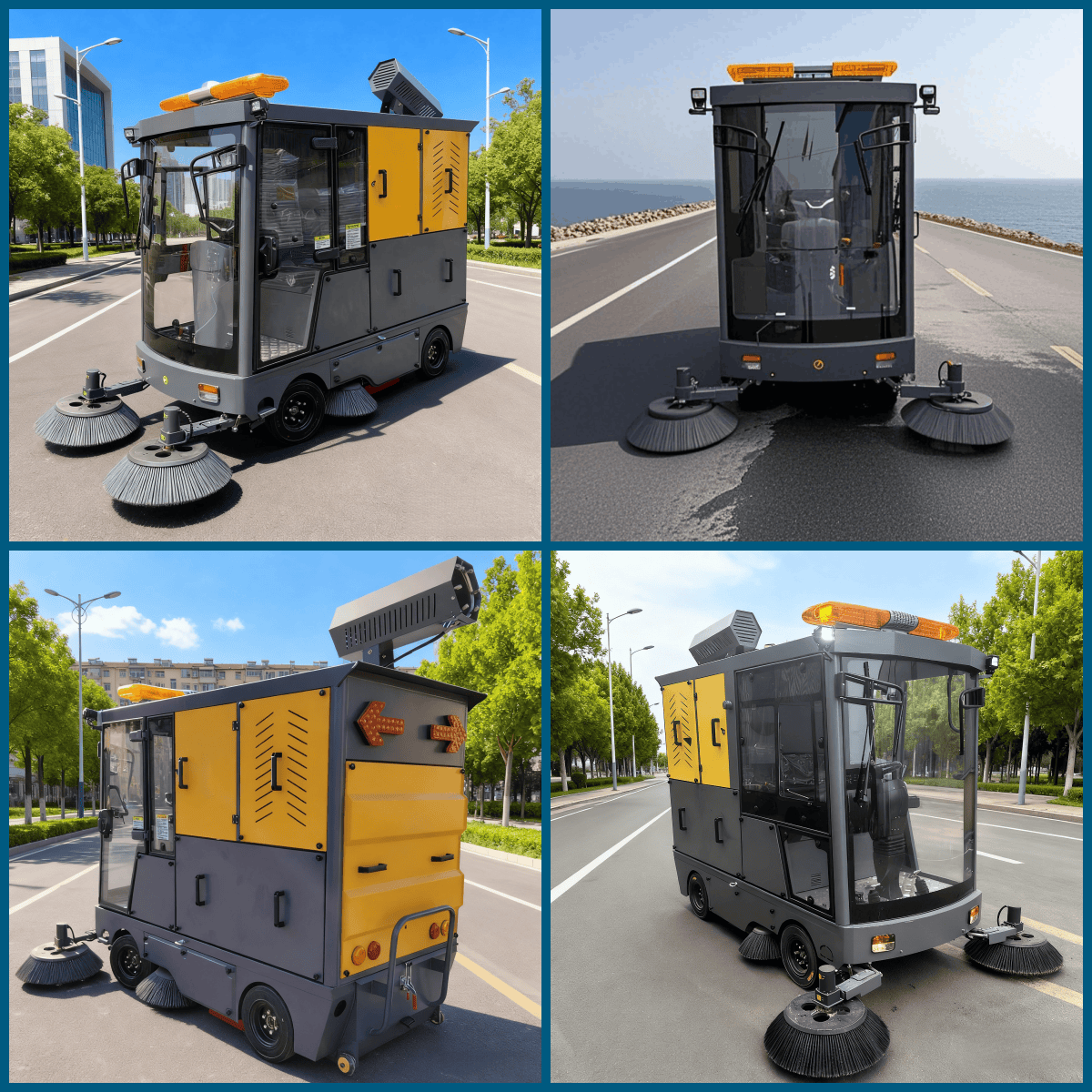
Core Mechanisms of the Street Sweeper: Brushes, Vacuum, and Debris Collection
Modern street sweepers combine rotating brushes, vacuum systems, and water sprayers to efficiently remove urban debris. These components work together to capture up to 85% of surface particulates smaller than 10µm (PM10) while minimizing dust dispersion, according to industry studies.
How Street Sweepers Use Rotating Brushes and Vacuum Systems for Effective Cleaning
The rotating brushes made of either nylon or steel work great at getting rid of dirt and grime stuck in those pesky pavement cracks. These machines come equipped with motors that can adjust their speed so they maintain good contact no matter what kind of surface they're working on. Once the dirt is loose, powerful vacuum systems suck everything up into sealed containers where even tiny particles as small as 2.5 microns get trapped. When it comes to cleaning paved roads specifically, vacuum assisted models really stand out. They manage to capture about 98 percent of all debris, which beats the standard mechanical systems by quite a margin since those only grab around 72 percent typically. This makes a big difference when trying to keep streets clean without leaving behind tons of dust and grit.
Mechanical-Vacuum Combination: Optimizing Debris Pickup with Brooms and Suction
The integration of brooms and suction enables a three-stage cleaning process:
- Agitation: Side brushes sweep debris toward the center
- Collection: A main broom lifts larger particles
-
Extraction: Vacuum systems remove residual dust
This hybrid approach reduces air pollution by 40% compared to conventional methods, as demonstrated in municipal fleet trials.
The Role of Side Brooms and Central Collection Systems in Comprehensive Cleaning
Angled side brooms extend cleaning coverage to curbs and bike lanes, while helical brush designs minimize debris scatter. Central collection hoppers use baffle plates and conveyor belts to separate heavy materials like sand and gravel from lightweight litter—helping prevent storm drain clogs during seasonal leaf accumulation.
Integration of Water Spray to Reduce Dust and Enhance Cleaning Efficiency
Fine-mist nozzles apply 1.5–3 liters of water per minute, depending on debris load, suppressing 92% of airborne dust. Recent innovations include recirculating water systems that reduce freshwater consumption by 60% without compromising dust control performance.
Advanced Filtration and Dust Control Technologies in Street Sweepers
High-efficiency filtration systems (PM10, PM2.5) for capturing fine particulates
Modern sweepers utilize multi-stage filtration combining cyclone separators and fabric filters to trap particles as small as 0.5 microns. These systems capture 95% of PM10 and 85% of PM2.5 pollutants (Urban Clean Air Initiative, 2023), with top-tier models achieving over 99% efficiency through self-cleaning filter bags that maintain optimal airflow.
Sealed vacuum paths and dust suppression to prevent pollutant re-release
Sealed collection chambers and negative-pressure airflow prevent leakage during operation, reducing street-level dust concentrations by 60–70% compared to older models. Advanced units feature double-wall containment and airlock dump mechanisms to preserve vacuum integrity when emptying waste compartments.
Water-based dust control during sweeping to minimize airborne particles
Integrated spray bars emit atomized water at 0.5–1.5 liters per minute, effectively binding fine particulates before they become airborne. This method has been shown to reduce respirable crystalline silica levels by 42% in urban sweeping operations. Some systems use recycled water from onboard tanks, lowering annual freshwater use by 30%.
Environmental benefits of advanced dust management in urban air quality
By capturing 8–12 tons of PM2.5 annually per vehicle, modern street sweepers support cities in meeting WHO air quality guidelines. Urban areas using these technologies report 15–20% fewer asthma-related hospitalizations near high-traffic zones (Global Urban Health Report, 2023). Closed-loop filtration systems prevent 90% of collected pollutants from re-entering the environment during disposal.
Adapting the Street Sweeper to Diverse Urban Debris and Surface Challenges
Handling Varied Debris Types: Sand, Litter, Organic Waste, and Road Salts
Street sweepers come in all sorts of configurations depending on what kind of mess needs cleaning up. The big mechanical brooms do a great job picking up stuff like sand and leftover construction dust from roadsides. Meanwhile, the vacuum parts of these machines are really good at sucking up small bits of trash and those tiny plastic particles we're always hearing about now. When dealing with organic stuff like leaves or grass clippings, most modern sweepers have sealed containers to keep things contained and stop bacteria from growing inside. Some models even spray water through adjustable nozzles to help clean away the slimy buildup that forms on surfaces after rain. During cold weather months, special parts made to resist rust tackle the salt used on roads. These machines typically have two filters working together so they catch most of the salt residue before it can get into our storm drains and waterways.
Performance on Uneven, Patched, or Pothole-Prone Urban Road Surfaces
The brush assemblies on these machines can sense when they need to apply more pressure so they stay in contact even on rough terrain. They work pretty well over potholes that are about 15 centimeters deep. When it comes to bouncing around on cobblestones, the pneumatic suspension system cuts down vibration by roughly 40% compared to older models with rigid frames. The gutter brooms attached to the sides can actually swing back and forth about 30 degrees either way, which makes them great for getting into those tricky cracks along the curb. According to testing done in real world conditions, the modular design of these sweepers manages to pick up around 92% of all debris from roads that have serious surface issues.
Maintaining Cleaning Consistency Across Permeable and Irregular Pavements
The vacuum systems work best when they're set up properly for airflow across those permeable pavers, pulling out dirt and grime while leaving the stones intact. Most modern units come with laser sensors that tweak the suction power as they switch from concrete to brick surfaces, which keeps cleaning performance pretty consistent across different materials - around 95% effectiveness most of the time. When dealing with rougher textures such as stamped asphalt, these machines typically have side brushes that sweep everything towards the main collection unit. The brush design is important here because it prevents scratches on more delicate surface treatments that some property owners really care about maintaining.
Matching Street Sweeper Types to Specific Urban Cleaning Demands
Urban planners match sweeper types to local conditions based on debris profiles and infrastructure:
| Environment | Primary Debris | Recommended System | Efficiency Gain |
|---|---|---|---|
| Commercial Districts | Microplastics, litter | Regenerative-air sweepers | 35% faster |
| Industrial Zones | Metal shavings, gravel | Mechanical broom sweepers | 57% less blockages |
| Historic Areas | Dust, fallen leaves | Hybrid vacuum-water units | 42% lower PM10 |
Targeted deployment based on such criteria reduces street cleaning costs by 18–29% in cities with varied landscapes.
Smart Technology and Data-Driven Optimization in Street Sweeping Operations
Real-time monitoring and remote control in modern street sweeper fleets
IoT-enabled sensors and telematics provide live data on brush pressure, hopper fill levels, and engine health, enabling operators to adjust settings or reroute mid-shift. Dashboard interfaces allow fleet managers to monitor performance across vehicles, while predictive maintenance alerts for critical components like hydraulic pumps reduce unplanned downtime by 32%.
Route optimization using traffic, pollution, and weather data
Smart systems powered by artificial intelligence look at live traffic data pulled from city sources plus pollution numbers coming off environmental sensors to map out cleaning paths that change as conditions do. Cities that have implemented these smart solutions see cleaner streets around schools about 27 percent quicker during rush times, while garbage trucks spend less time stuck waiting near roadwork areas. Another neat feature is how the software moves scheduled cleanings before storms hit, stopping leaves from clogging storm drains which causes all sorts of problems later on.
GPS tracking and proof-of-service reporting for operational accountability
Geofencing and automated logging tools record precise sweeping times and locations. Cities like Denver and Seattle require contractors to submit digital reports with timestamped before-and-after photos verifying gutter and storm drain cleaning, reducing service disputes by 41% since implementation.
Integrating smart sensors for adaptive cleaning in dynamic urban environments
LIDAR and 3D imaging detect hidden hazards such as pavement cracks beneath leaves or metal debris under snow, automatically adjusting brush height and suction power. Boston pilot programs showed a 19% increase in litter capture on cobblestone streets and a 63% reduction in curb damage incidents compared to manual adjustments.
FAQ Section
What are the main components of modern street sweepers?
Modern street sweepers utilize rotating brushes, vacuum systems, and water sprayers to effectively remove debris and minimize dust dispersion.
How do street sweepers capture fine particles?
Street sweepers utilize high-efficiency filtration systems and sealed vacuum paths to capture fine particulates like PM10 and PM2.5, preventing their re-release into the environment.
Can street sweepers handle different types of urban debris?
Yes, street sweepers are designed to handle varied debris types including sand, litter, organic waste, and road salts, often using specialized components for specific challenges.
How do smart technologies optimize street sweeping operations?
Smart technologies such as IoT sensors, GPS tracking, and route optimization algorithms enhance street sweeper efficiency and effectiveness by adapting to traffic, pollution, and weather conditions.
Table of Contents
-
Core Mechanisms of the Street Sweeper: Brushes, Vacuum, and Debris Collection
- How Street Sweepers Use Rotating Brushes and Vacuum Systems for Effective Cleaning
- Mechanical-Vacuum Combination: Optimizing Debris Pickup with Brooms and Suction
- The Role of Side Brooms and Central Collection Systems in Comprehensive Cleaning
- Integration of Water Spray to Reduce Dust and Enhance Cleaning Efficiency
- Advanced Filtration and Dust Control Technologies in Street Sweepers
- Adapting the Street Sweeper to Diverse Urban Debris and Surface Challenges
- Smart Technology and Data-Driven Optimization in Street Sweeping Operations
- FAQ Section