 EN
EN

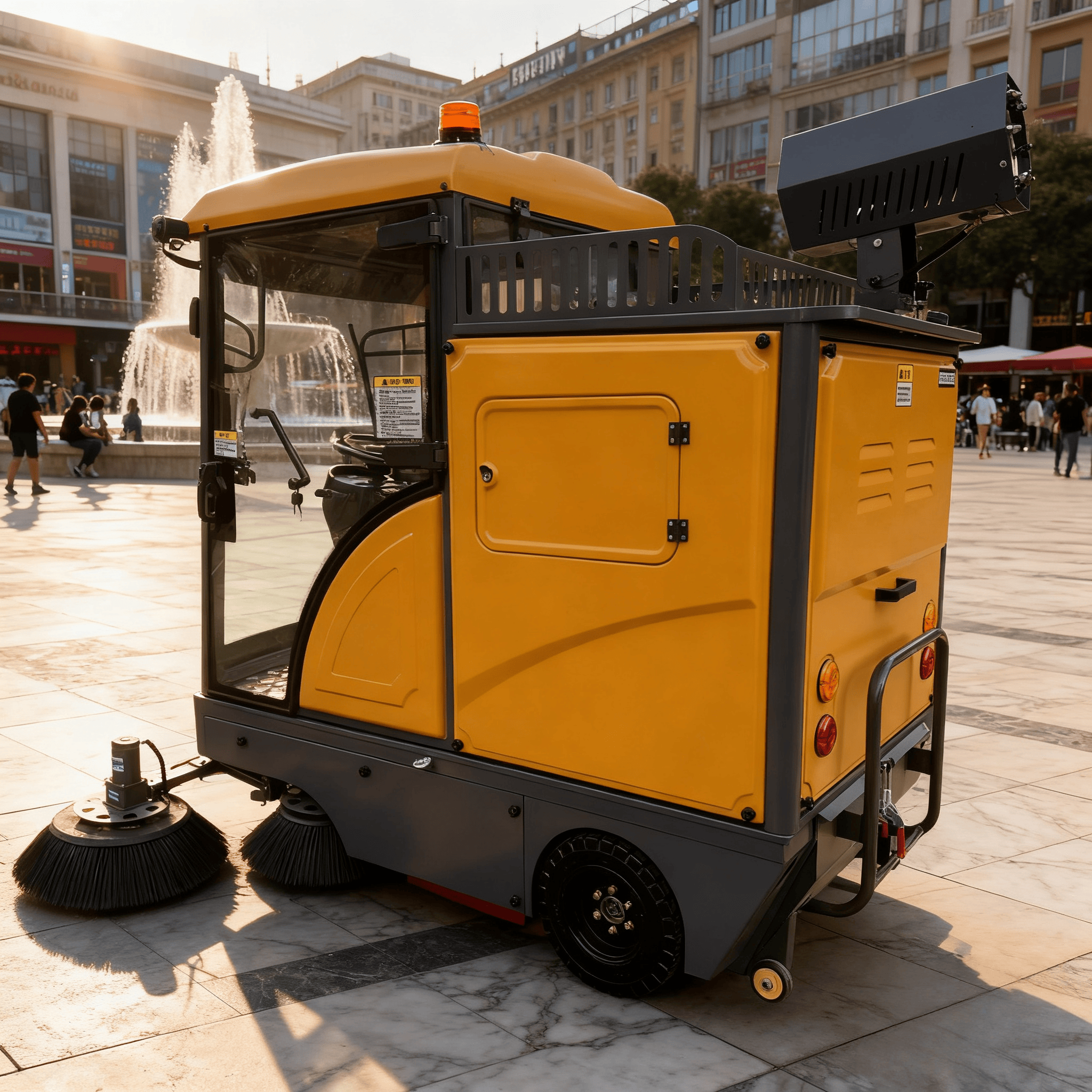
Understanding Secondary Pollution in Urban Street Cleaning
Street sweeping machines actually make city air pollution worse sometimes because they kick up tiny particles like PM2.5 and PM10 into the air while also creating dirty water runoff. Research from Chemosphere back in 2006 showed regular broom type sweepers boost PM10 levels in the air by around 18 to 22 percent when they're working. This isn't just a minor issue either. Cities need better technology for their sweepers if they want to reduce this problem. The old methods aren't cutting it anymore when it comes to keeping our streets clean without making the air quality even poorer.
When streets get swept, several harmful substances get kicked back into the environment. The main culprits are particles from worn brakes and tires, which make up about 37% of all street dust by weight. There's also road deposited heavy metals such as lead and zinc, crushed road salt remnants, and bits of diesel fuel. All these things become airborne or wash away into storm drains whenever sweeping operations stir them up. Without proper collection systems, they end up polluting both the air we breathe and local waterways, creating serious environmental problems for communities.
The role of sweeper trucks in mitigating fugitive dust losses
Modern sweeper trucks equipped with high-efficiency particulate filters demonstrate 74% better PM retention than traditional broom sweepers. Regular use of these systems reduces sediment-bound metal loads in stormwater by 6080%, making them essential tools for protecting downstream water quality.
Dust Suppression and Water Management Innovations in Sweeper Trucks
Use of Water Spray in Dust Suppression and Its Impact on Efficiency
Precision-engineered water spray systems reduce airborne PM2.5 emissions by 6075% compared to dry sweeping (Air Quality Management District 2023). Smart sensor-driven irrigation adjusts flow based on real-time debris load and surface conditions, improving dust capture while conserving 2540% more water than fixed-rate systems.
Balancing Moisture Application with Runoff Risks in Stormwater Systems
Excessive moisture can wash heavy metals and hydrocarbons into storm drains. To address this, leading sweeper designs now incorporate closed-loop water recovery systems, cutting freshwater demand by 70% and reducing sediment-laden runoff by 45% compared to conventional wet sweeping methods.
Innovations in Low-Moisture and Misting Systems for Urban Environments
New aerosol-based technologies achieve effective dust suppression with up to 80% less water:
- Ultrasonic misting nozzles produce 1050 micron droplets that bind fine particles without saturating surfaces
- Electrostatic precipitation systems charge dust for improved adhesion to collection surfaces
- Regenerative air filtration captures 98% of PM10 through multi-stage HEPA filters
These innovations enable 95% dust suppression efficiency even in water-restricted cities, aligning air quality goals with sustainability priorities.
Sweeper Trucks as a Stormwater Quality Best Management Practice
How Street Sweepers Prevent Stormwater Contamination From Road-Deposited Particles
Street sweepers manage to catch around 60 to 80 percent of sediment sitting on roads before it gets washed away by rain into the drainage system. When these machines go over streets, they pick up things like brake dust that has copper and zinc in it, bits from worn tires, and leftover road salt too. This process helps grab roughly 90% of the stuff considered total suspended solids in city stormwater pollution. The result? Less harm to ecosystems where algae can bloom uncontrollably and fish habitats get damaged because of all this junk ending up in waterways.
Removal Efficiency of Metal(loid)s and Petroleum Products by Street Sweeping
Data from 28 municipalities reveal the pollutant removal capacity of vacuum-assisted sweepers:
| Pollutant | Removal Rate | Annual Prevention (per truck) |
|---|---|---|
| Lead & Cadmium | 7285% | 4.2 kg |
| Motor Oil Residue | 68% | 310 liters |
| Tire Rubber | 61% | 1.8 metric tons |
Dual-filter systems capable of capturing particles down to 10 microns are key to retaining PM2.5-bound heavy metals and other hazardous materials.
Street Sweeping as a Best Management Practice (BMP) for Water Pollution Control
The EPA formally recognized mechanical street sweeping as a Best Management Practice (BMP) in 2022, citing its cost-effectiveness. Municipalities using regular sweeping reduced stormwater treatment costs by $7.50$18 per resident annually. Biweekly sweeping meets 63% of Phase II Stormwater Permit requirements for TSS reduction under NPDES guidelines.
Case Study: Reduction in TSS and Heavy Metals After Regular Sweeper Truck Operation
Riverside, CA achieved a 57% drop in zinc levels and a 43% reduction in TSS in stormwater outflows after implementing GPS-optimized sweeping routes. Over one year, this prevented 12.7 tons of pollutants from entering the Santa Ana River watershedequivalent to eliminating annual road emissions from 218 passenger vehicles.
Measuring the Environmental Impact of Modern Sweeper Trucks
Impact of Street Sweeping on Urban Air Quality Metrics
Modern sweeper trucks reduce PM2.5 levels by 40% in commercial districts compared to unswept areas (EPA, 2022). Key improvements include:
- Dust suppression: Vacuum systems capture 92% of particles under 10m
- Heavy metal reduction: Regular sweeping cuts lead and zinc in runoff by 34% (Journal of Hazardous Materials, 2023)
- Carbon impact: Hybrid sweepers reduce CO2 emissions by 28 tons/year per vehicle versus diesel models
Data-Driven Assessment of Pollutant Removal
A 2024 Municipal Operations Study reported annual collection rates in mid-sized cities:
| Material | Average Collected (tons/year) | Capture Efficiency |
|---|---|---|
| Sand | 4,200 | 89% |
| Road salt | 1,750 | 78% |
| Organic debris | 3,100 | 92% |
These results confirm that modern sweepers prevent over 14,000 tons of particulates from reaching watersheds annually. Multi-stage filtration is critical for retaining fine contaminants during transport and disposal.
Trend Analysis: Eco-Efficient Model Adoption
Cities across the country are swapping out about a quarter of their old diesel sweepers every year for electric or hybrid versions, mostly because of those EPA incentives under the Clean Air Act. Take Phoenix for example they managed to cut down on nitrogen oxide emissions by nearly half once they converted most of their cleaning fleet to these regenerative air models. Looking ahead, the folks running the Clean Cities program in 2024 think we might see something pretty impressive by 2027 when around eight out of ten new sweeper buys should be low emission types. Makes sense really, as environmental concerns continue to push local governments toward greener options.
FAQ
What is secondary pollution in urban street cleaning?
Secondary pollution occurs when street sweepers kick up particles such as PM2.5 and PM10 into the air or cause dirty water runoff, worsening air quality rather than improving it.
How can modern sweeper trucks reduce airborne particles?
Modern sweeper trucks equipped with high-efficiency particulate filters and automatic water spray systems can significantly reduce airborne PM2.5 emissions.
What are regenerative air sweeper technologies?
Regenerative air sweepers use a closed-loop airflow system to efficiently reduce dust emissions compared to traditional broom sweepers, with integrated HEPA filtration trapping up to 99.97% of PM2.5 particles.
Do water-based dust suppression technologies work in sweepers?
Water-based dust suppression technologies in sweepers, like smart sensor-driven irrigation systems, can enhance dust capture while conserving water efficiently.
Table of Contents
- Understanding Secondary Pollution in Urban Street Cleaning
- Dust Suppression and Water Management Innovations in Sweeper Trucks
- Sweeper Trucks as a Stormwater Quality Best Management Practice
- How Street Sweepers Prevent Stormwater Contamination From Road-Deposited Particles
- Removal Efficiency of Metal(loid)s and Petroleum Products by Street Sweeping
- Street Sweeping as a Best Management Practice (BMP) for Water Pollution Control
- Case Study: Reduction in TSS and Heavy Metals After Regular Sweeper Truck Operation
- Measuring the Environmental Impact of Modern Sweeper Trucks
- Impact of Street Sweeping on Urban Air Quality Metrics
- Data-Driven Assessment of Pollutant Removal
- Trend Analysis: Eco-Efficient Model Adoption
- FAQ