 EN
EN

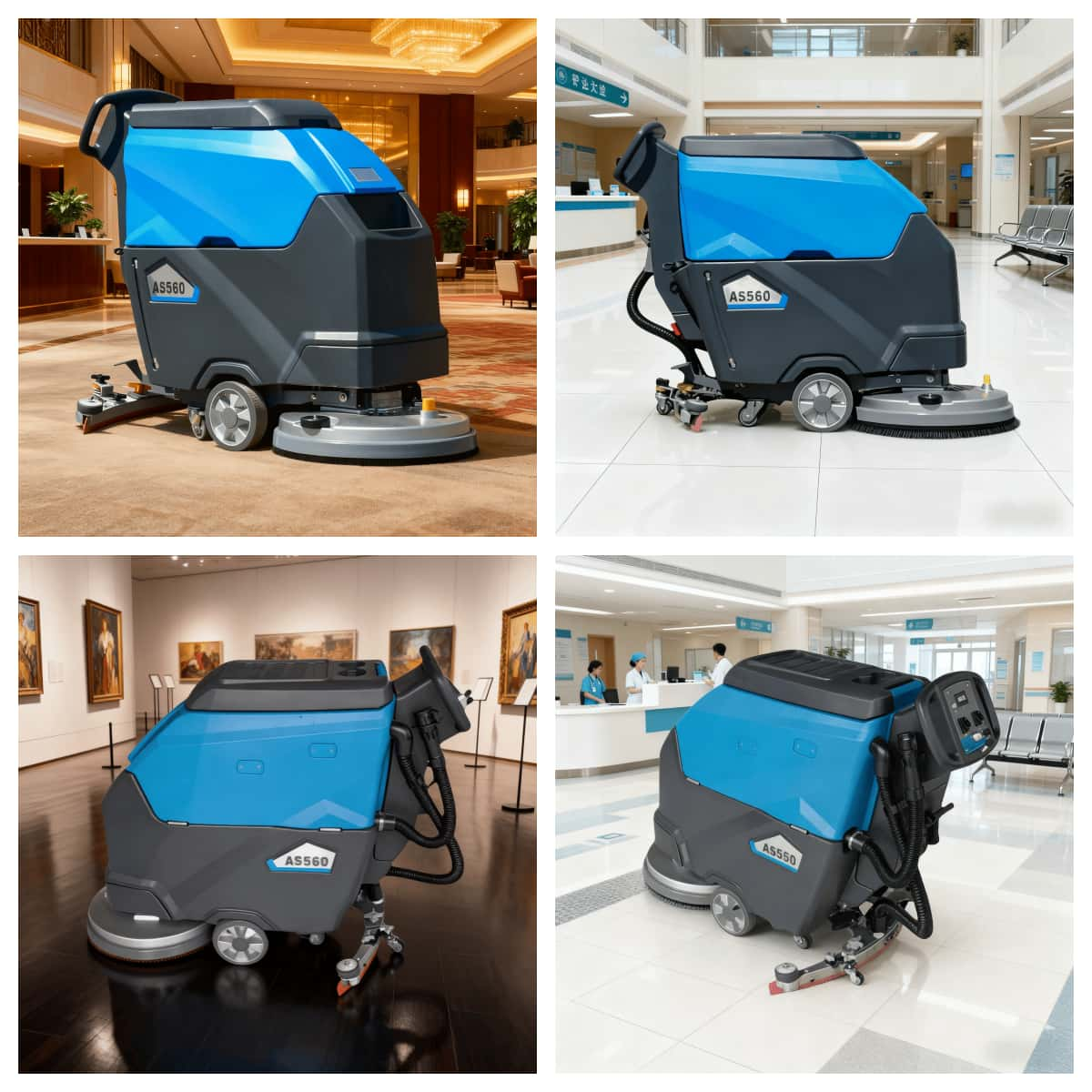
Core Design Features That Maximize Floor Scrubber Machine Efficiency
Scrubbing path width and its impact on coverage speed
When it comes to scrubber brushes, the cleaning width makes all the difference for how fast operations can run. Take warehouses for instance where 900mm wide brushes get the job done about 18 percent quicker compared to their 600mm counterparts. The wider sweep means fewer backtracking moves which saves time without messing with the standard water usage rate of around 0.3 gallons per minute. Of course there's a catch though these bigger brushes need careful maneuvering past things like those pesky pallet racks that seem to multiply overnight. Smart companies have figured this out though, offering adjustable brush heads on many models now. These adaptable systems keep performing well even when dealing with the crazy layouts most facilities end up having after years of expansion and reorganization.
Water and detergent tank capacity for uninterrupted operation
Tank sizes for solutions generally go from around 50 liters all the way up to 350 liters, depending on how big the facility is and what kind of dirt or grime needs cleaning. Food processing areas usually need tanks that are about 40 percent bigger than those in car manufacturing shops because there's just more stuff getting stuck everywhere. According to research published last year on materials handling, nearly 8 out of 10 times workers lost production time during their 8 hour workday was simply because small tanks below 100 liters ran dry. Newer systems now come equipped with smart sensors inside these tanks that warn operators ahead of time when it's going to run low, so operations don't stop unexpectedly. These alerts help keep the right mix of chemicals at all times while also meeting safety standards set by OSHA regarding floor surfaces not being too slippery (they need to stay above a certain level of grip).
Battery life and power efficiency for full-shift performance
Lithium ion batteries give around six to eight hours of straight runtime, which is actually twice what we get from old school lead acid systems. That kind of runtime means facilities can cover well over 200 thousand square feet before needing another charge. When companies switch to those dual battery hot swap setups, they tend to see about a 31 percent drop in labor expenses when compared against regular single battery options. The newer machines also come equipped with smart energy recovery tech that grabs roughly 15% of the energy lost during turns. This saved power helps maintain those consistent 1,200 RPM brush speeds even on tough floors made of materials like epoxy coating.
Maneuverability across different floor types and tight spaces
Equipment with zero turn radius design cuts down those hard to reach spots by about 42% in tight spaces where aisles are less than eight feet across. The machines come equipped with smart traction systems that tweak wheel power as they move from smooth concrete floors which have a friction rating around 0.8 to slipperier anti static vinyl flooring with roughly 0.6 grip level. For models featuring flexible brushes, making full circle turns takes just over six seconds, which beats traditional models by nearly a third. These same units maintain impressive water pickup efficiency at 95% even when dealing with tricky floor conditions like grooves or bumps in the surface.
Time and Labor Savings Achieved with Industrial Floor Scrubber Machines
Cleaning Speed: Area Covered per Hour vs. Manual Mopping
Floor scrubbers used in industrial settings typically handle between 10 thousand and 50 thousand square feet each hour, which beats manual mopping hands down since people only manage around 3 thousand square feet per hour at best. That means productivity jumps anywhere from 233 percent all the way up to over 1500 percent when switching to machines. The time savings really matter because facilities need to keep operations running smoothly without long breaks for cleaning. Take a warehouse covering 100 thousand square feet for instance. With scrubbers, most places finish cleaning within just two to ten hours total. But if workers have to mop everything by hand, they'd spend well over thirty three hours getting the job done instead.
Labor Reduction Through Automation and Ride-On Models
The introduction of programmable scrubber machines cuts down on the number of people needed for cleaning jobs, typically around half compared to when everything was done manually. With ride-on versions available now, the savings get even better - just one person can handle what used to take three workers. Looking at real world examples from various facilities, most have found they can move about three quarters of their cleaning personnel onto other important work once these machines are in place. Machines that do both scrubbing and drying all in one go have been game changers too. No longer do companies need dedicated drying crews, which makes the whole operation run much smoother without all those extra steps.
Case Study: Labor Cost Savings in a 50,000 sq ft Manufacturing Plant
A Midwest automotive parts plant reduced cleaning labor costs by 42% after adopting ride-on scrubbers:
| Metric | Manual Cleaning | Scrubber System | Improvement |
|---|---|---|---|
| Hours per cleaning | 8 | 2.5 | 69% faster |
| Labor costs/month | $3,200 | $1,850 | $1,350 saved |
| Annual savings | - | $16,200 | ROI in 14 months |
GPS-guided routing minimized overlap by 28%, enhancing both chemical efficiency and labor utilization.
Consistent Cleaning Quality and Safety Improvements in Factory Environments
Uniform Scrubbing Pressure and Precise Solution Distribution
Weight-balanced brush systems deliver consistent downward pressure across diverse surfaces, eliminating the tiger striping caused by inconsistent hand-mopping pressure. Integrated flow meters maintain exact detergent-to-water ratios typically 1:128 for industrial degreasers maximizing cleaning efficacy while cutting solution waste by up to 30% compared to manual mixing.
Enhanced Hygiene Standards and Measurable Cleanliness Outcomes
Automated scrubbers achieve 72% lower ATP bioluminescence readings indicating significantly less organic residue than mop-based methods, according to 2023 sanitization research. Closed-loop systems prevent cross-contamination, making them essential in food processing and pharmaceutical settings. Real-world data shows these systems reduce surface bacteria colonies by 89% compared to traditional cleaning.
Reduced Slip Hazards and Improved Workplace Safety Metrics
Modern cleaning equipment that combines scrubbing with vacuum drying gets rid of those long periods where floors stay wet, which cuts down slips and falls by around 57% according to National Safety Council data from 2024. These machines come equipped with moisture sensors that tweak suction power depending on how absorbent different parts of the floor are, something that really helps out in places with multiple types of flooring surfaces. Looking at workplace safety records shows another big plus: facilities that switched to ride on scrubbers saw about 41 fewer compensation claims for back and muscle injuries caused by all that bending over during traditional mopping tasks. Workers just don't have to strain themselves as much anymore.
Real-World Applications of Floor Scrubber Machines Across Large Industrial Facilities
Optimizing Cleaning Operations in Manufacturing Plants and Warehouses
Scrubbers have become essential for keeping floors clean in manufacturing plants and warehouses where big machinery operates. These machines deliver just the right amount of cleaning solution, cutting down on wasted chemicals by somewhere between 18 to 22 percent when compared to old fashioned hand cleaning methods. Most ride-on models can handle over 50 thousand square feet during a single work shift, which is pretty impressive considering how much ground they need to cover. Facilities often install scrubbers with two separate tanks so different cleaning solutions don't mix up in areas where raw materials are stored versus where products get packaged. According to recent research from the Material Handling Institute last year, companies that switched to scrubber technology saw nearly 37 percent fewer incidents related to slip hazards and other floor problems. This makes sense since cleaner floors mean safer working environments all around.
Adaptability to Supermarkets and Other High-Traffic Industrial Zones
Scrubber machines work pretty well across different types of flooring around town. They handle everything from those shiny epoxy coated floors we see in supermarkets right down to rougher textures found in warehouses and distribution centers. The smaller walk behind versions come equipped with brushes that can be adjusted up or down depending on what needs cleaning. Grocery stores especially appreciate this feature since it lets them keep their fresh food sections spotless without worrying about ruining the grout lines between tiles. Airports tend to roll out these self driving scrubbers during night hours when there's less foot traffic, particularly on those smooth marble surfaces where reflections might otherwise be distracting for travelers. Most modern scrubber models aren't too loud either, sitting somewhere between 85 and 96 decibels which makes them suitable for daytime operations too. And thanks to lithium ion battery packs now standard equipment, these machines can run continuously for anywhere from six to eight hours straight even inside massive stores covering over 150 thousand square feet of space.
FAQ
What is the advantage of wider scrubbing path widths?
Wider scrubbing path widths like 900mm compared to 600mm enhance coverage speed by reducing backtracking, making cleaning operations faster without increasing water usage.
How do scrubber machines improve safety in workplaces?
Scrubber machines that combine scrubbing with vacuum drying reduce slip hazards by ensuring floors dry quickly, thus decreasing the likelihood of falls.
Why are lithium ion batteries preferred in modern scrubber machines?
Lithium ion batteries offer longer runtimes of six to eight hours compared to lead acid systems, providing efficient and uninterrupted floor coverage.
Can floor scrubbers handle different types of flooring?
Yes, floor scrubbers are designed to maneuver across various floor types, adjusting to different friction levels for effective cleaning.
What role do scrubbers play in high-traffic areas like supermarkets?
Scrubbers maintain cleanliness across varying floor textures in high-traffic zones and operate quietly, which is suitable for environments like supermarkets and airports.
Table of Contents
- Core Design Features That Maximize Floor Scrubber Machine Efficiency
- Time and Labor Savings Achieved with Industrial Floor Scrubber Machines
- Consistent Cleaning Quality and Safety Improvements in Factory Environments
- Real-World Applications of Floor Scrubber Machines Across Large Industrial Facilities