 EN
EN

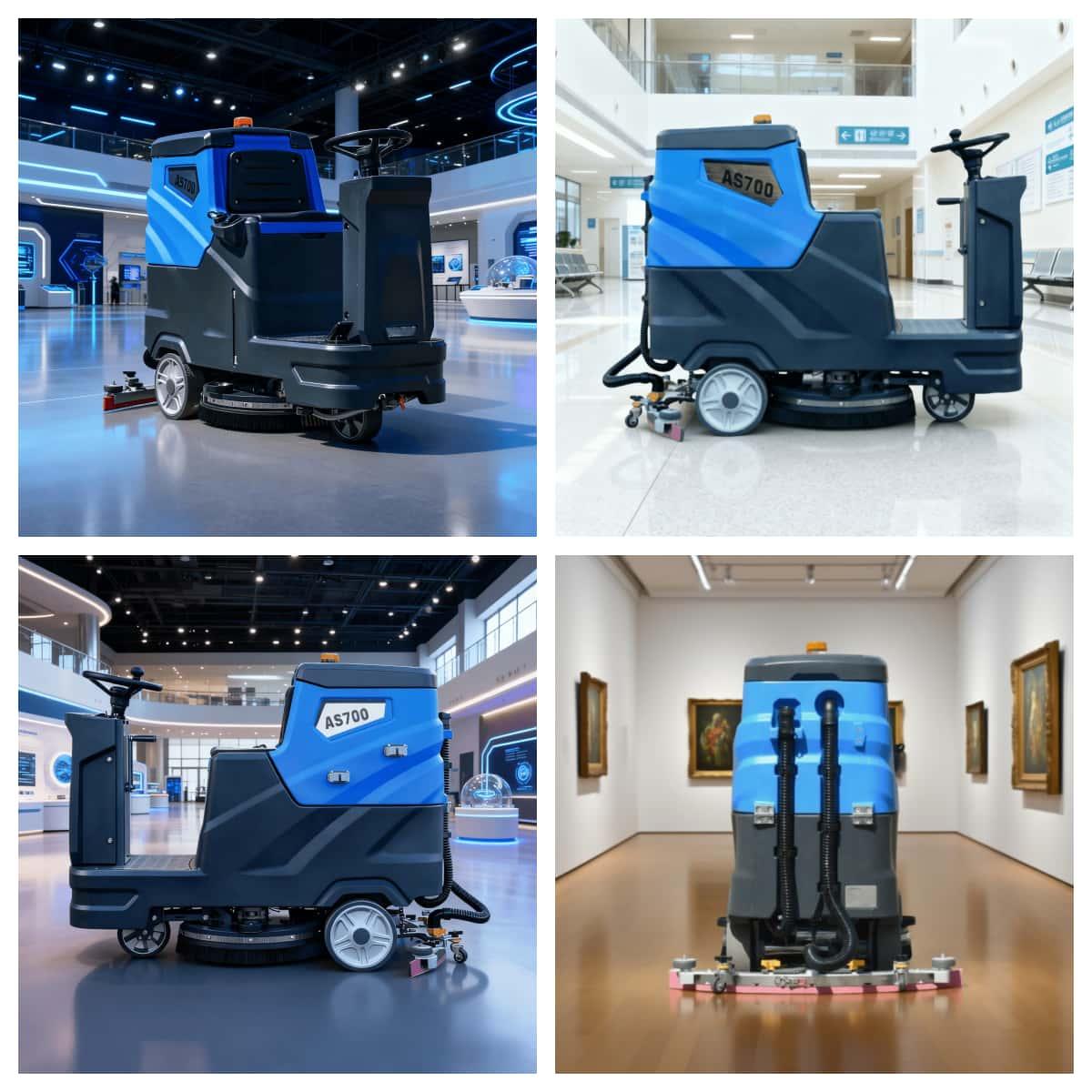
Understanding the Nature and Risks of Oil Stains on Industrial Floors
Why oil adheres strongly to concrete and metal surfaces
The problem with oil sticking to industrial floors really comes down to what materials they're made from. Concrete has this natural tendency to soak up oil because it's so full of tiny holes, sometimes letting the stuff sink in almost half an inch deep just a few hours after it gets spilled. Metal surfaces are different but still problematic. Oil actually sticks to them thanks to those little cracks and bumps we can't see plus something called hydrophobic forces. These two ways oil grabs onto surfaces make it one of the worst messes around factories. Maintenance crews know this better than anyone else - according to surveys, nearly four out of five facility managers put oil contamination at the very top of their list when talking about floor problems.
Risks of untreated oil stains: safety, compliance, and surface damage
Neglected oil contamination poses three major operational threats:
- Safety hazards: Oil reduces concrete’s coefficient of friction by 40–60% within 30 minutes, significantly increasing slip risks.
- Regulatory risks: Industry compliance reports show 62% of facilities with chronic oil stains fail OSHA walking surface inspections
- Structural damage: Prolonged exposure decreases concrete’s load-bearing capacity by 18% over six months
Using industrial floor cleaners specifically formulated for oil removal mitigates these dangers while preserving surface integrity. Facilities that adopt targeted degreasers see a 73% reduction in slip incidents compared to those relying solely on manual scrubbing.
Matching Industrial Floor Cleaner Types to Oil and Grease Soils
Cleaning Requirements for Oil and Grease Removal in Industrial Settings
Getting rid of oil stains properly means finding the right mix between strong chemicals and what works for different surfaces. Most unsealed concrete can handle those alkaline cleaners around pH 9 to 10 without issues, though anyone working on sealed or coated floors needs something milder so they don't mess up the protective layer underneath. A recent report from industrial floor care experts shows that when pH levels don't match the surface material, floors tend to wear out faster and maintenance bills go way up over time. Knowing exactly what kind of dirt we're dealing with matters too. Whether it's hydrocarbon oils, stubborn grease spots, or just regular organic grime changes which cleaning product will work best. The goal is always full removal without leaving behind any etched marks or damage.
Alkaline Degreasers vs. Enzyme-Based Cleaners: Performance and Sustainability
| Factor | Alkaline Degreasers | Enzyme-Based Cleaners |
|---|---|---|
| Best For | Heavy machinery grease, petroleum stains | Food-grade oils, biodegradable soils |
| Eco-Impact | Higher wastewater toxicity | Biodegradable, low VOC |
| Surface Safety | Riskier for sealed floors | Safe for most coatings |
Alkaline degreasers effectively break down tough petroleum residues but require thorough rinsing to prevent buildup. Enzyme-based cleaners use bioengineered microbes to digest organic oils, offering sustainable results with 65% faster biodegradation than traditional solvents (Ponemon 2023). However, they require longer dwell times–typically 15–30 minutes–making them less suitable for high-throughput environments.
Solvent-Based vs. Water-Based Industrial Floor Cleaners: Pros and Cons
Most industries have switched to water based cleaners these days because they just aren't as flammable and work better with those automated scrubbing systems everyone's installing. Sure, solvent based stuff still gets rid of really stubborn grease faster, but it comes with a whole bunch of headaches too. The shops need way better ventilation when using them, and there's always that extra paperwork for OSHA compliance hanging over managers' heads. Switching to water based emulsifiers cuts down on chemicals floating around in the air by about 40%, which is actually pretty impressive. Plus workers can adjust how much they mix with water depending on what kind of mess they're dealing with. For lighter soils, some places go as high as 1 part cleaner to 20 parts water. This flexibility means less waste overall and safer conditions for employees who spend their days cleaning equipment.
Key Selection Criteria for Effective Industrial Floor Cleaners
pH Balance and Compatibility With Oil-Stained Concrete and Coated Floors
Choosing the right pH improves cleaning efficacy by 40–60% while protecting floor integrity. For unsealed concrete, alkaline degreasers (pH 9–10) effectively lift oil without harming the porous substrate. Sealed concrete and epoxy-coated floors require neutral pH cleaners (6–8) to preserve protective layers. .
| Surface Type | Optimal pH Range | Cleaner Compatibility |
|---|---|---|
| Unsealed Concrete | 9-10 | High-alkaline degreasers |
| Sealed Concrete | 7-8 | Enzyme-based solutions |
| Epoxy Coatings | 6-7 | Mild detergent formulations |
Using Degreasers on Unsealed and Sealed Concrete Floors
High-pH alkaline cleaners work well on unsealed concrete but can haze or degrade sealed surfaces. For coated floors, opt for biodegradable enzymatic formulas that emulsify oils without chemical abrasion.
Dilution Ratios and Application Efficiency for Industrial Floor Cleaners
Concentrated cleaners diluted at a 1:10 ratio remove 85% of heavy oil residues, meeting EPA cleaning benchmarks. Automated dispensing systems cut chemical waste by 30% compared to manual mixing, enhancing consistency and cost control.
Environmental and Worker Safety Considerations in Degreaser Formulation
Low-VOC, non-corrosive cleaners align with OSHA’s 2024 workplace safety standards and reduce ventilation demands. Avoid chlorine-based formulas in food processing areas due to hazardous fume generation.
Cost-Efficiency and Long-Term Maintenance Impact of Cleaner Choice
While high-pH degreasers cost 20% less upfront, they shorten coating lifespan by 50%, leading to more frequent resealing. Neutral pH alternatives extend coating durability by 3–5 years and reduce lifecycle costs by 35% (Industrial Maintenance Analysis).
Step-by-Step Deep Cleaning Process Using the Right Industrial Floor Cleaner
Handling Oil Spills and Tough Stains on Industrial Floors
When dealing with fresh spills, it's best to act fast and contain them right away using materials that repel water, such as clay granules or those cellulose pads everyone keeps around. For older stains that have set in, there's really only one good method: start by physically working at the stain with something like a rotary scrubber, then move on to applying some kind of alkaline based cleaner after that. According to CCS Cleaning research from last year, this two step process works wonders most times. If we're talking about concrete surfaces specifically, look for degreasers sitting somewhere between pH 10 and 12 on the scale. These products break down those stubborn vegetable oil residues pretty effectively without damaging the surface itself through pitting issues.
Best Practices for Applying Degreasers and Scrubbing Oil-Contaminated Surfaces
- Pre-treat by diluting concentrated cleaner per manufacturer guidelines (typically 1:10 for heavy grease)
- Allow 7–10 minutes dwell time for enzyme-based solutions; 3–5 minutes for solvent emulsions
- Use floor scrubbers with diamond-pattern brushes rotating at 300–400 RPM to dislodge contaminants without damaging coatings
Automated scrubber-dryer systems cut labor costs by 40% and achieve 98% oil residue removal in a single pass.
Rinsing, Drying, and Evaluating Cleaning Effectiveness
Pressure rinse at 800–1,200 PSI, holding the nozzle 12" from the surface to avoid etching. After drying, conduct slip-resistance tests using a tribometer—a coefficient of friction (COF) above 0.6 confirms safe, oil-free conditions. For coated floors, test residual rinse water for pH neutrality (6.5–7.5) to prevent sealant breakdown .
Choose DeYou for Industrial Floor Cleaning Solutions
Frequently Asked Questions (FAQ)
Why does oil stick so strongly to industrial floors?
Oil adheres strongly to industrial floors made of concrete and metal due to the porous nature of concrete and the microscopic imperfections in metals. These characteristics allow oil to seep into the surfaces, making cleaning a challenge.
What are the risks of untreated oil stains on industrial floors?
Untreated oil stains pose safety risks by reducing friction, regulatory risks by failing compliance inspections, and structural risks by diminishing the load-bearing capacity of concrete over time.
What cleaners are recommended for oil and grease removal on industrial floors?
Alkaline degreasers are effective for removing heavy petroleum stains, while enzyme-based cleaners are suitable for food-grade oils. The choice depends on the type of soil and the surface being cleaned.
Which type of floor cleaner is safer for the environment?
Enzyme-based cleaners are more environmentally friendly as they are biodegradable and have low volatile organic compound (VOC) emissions, unlike traditional solvents that are more toxic and harmful.
Can water-based cleaners replace solvent-based cleaners?
Yes, many industries are opting for water-based cleaners due to their lower flammability and ease of use with automated systems, while still offering effective cleaning for less severe oil contaminants.
Table of Contents
- Understanding the Nature and Risks of Oil Stains on Industrial Floors
- Matching Industrial Floor Cleaner Types to Oil and Grease Soils
-
Key Selection Criteria for Effective Industrial Floor Cleaners
- pH Balance and Compatibility With Oil-Stained Concrete and Coated Floors
- Using Degreasers on Unsealed and Sealed Concrete Floors
- Dilution Ratios and Application Efficiency for Industrial Floor Cleaners
- Environmental and Worker Safety Considerations in Degreaser Formulation
- Cost-Efficiency and Long-Term Maintenance Impact of Cleaner Choice
- Step-by-Step Deep Cleaning Process Using the Right Industrial Floor Cleaner
- Choose DeYou for Industrial Floor Cleaning Solutions
-
Frequently Asked Questions (FAQ)
- Why does oil stick so strongly to industrial floors?
- What are the risks of untreated oil stains on industrial floors?
- What cleaners are recommended for oil and grease removal on industrial floors?
- Which type of floor cleaner is safer for the environment?
- Can water-based cleaners replace solvent-based cleaners?