 EN
EN

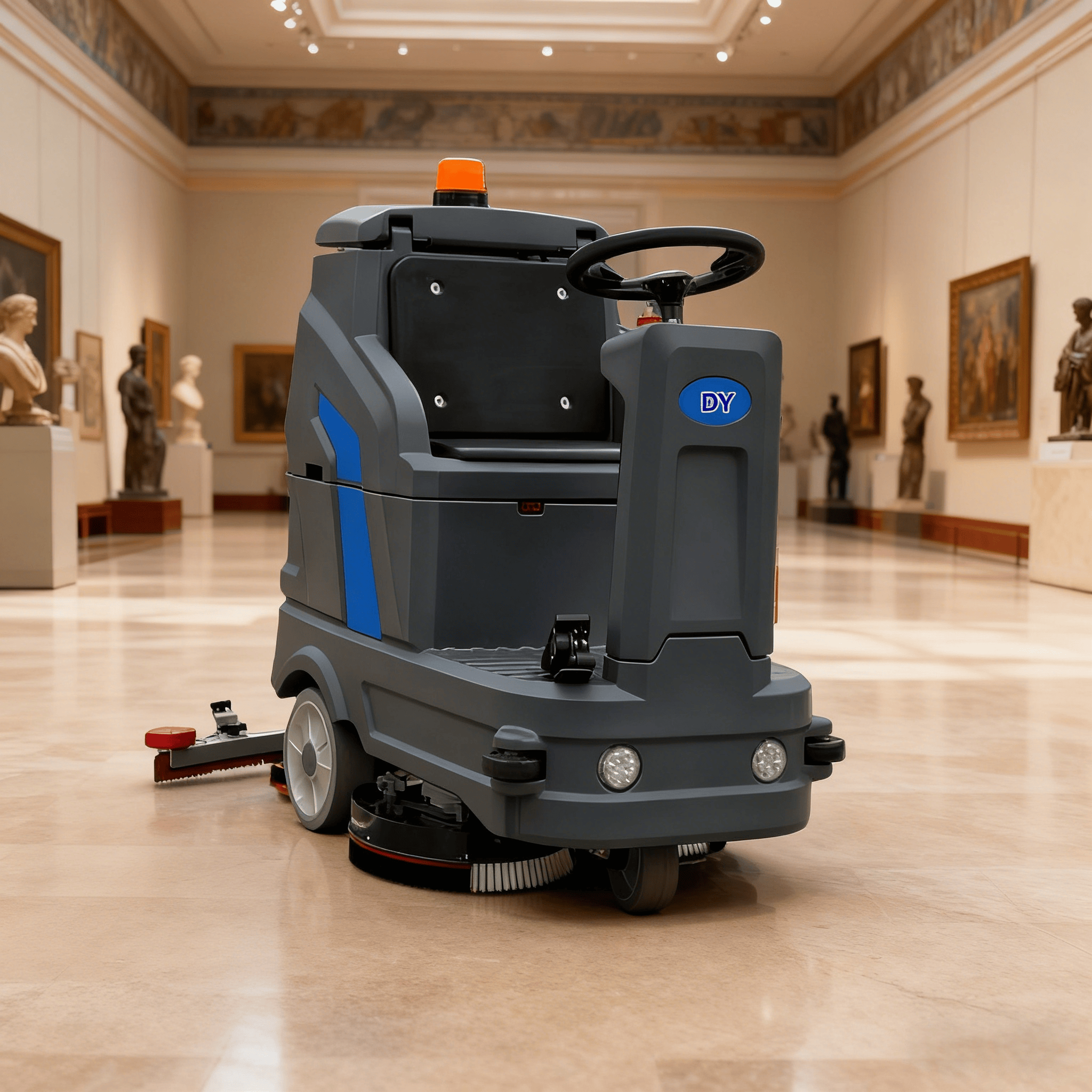
Assess Critical Operational Factors for Industrial Floor Scrubber Performance
Floor surface compatibility: Concrete, epoxy, VCT, and coated floors
Getting the right industrial floor scrubber for different floor types makes all the difference when it comes to cleaning effectiveness and keeping surfaces looking good over time. For porous concrete, tough bristles and strong suction are needed to pull out dirt that gets stuck deep down. Smooth epoxy floors tell a different story though they need gentle nylon pads so we don't scratch them up. When dealing with vinyl composite tile (VCT), getting the water amount just right matters because too much moisture can actually weaken those adhesive bonds. And let's not forget about non-slip coated surfaces which demand pH neutral cleaners if we want to keep that grip intact. The wrong brush or chemical mix can really shorten a floor's lifespan. According to recent facility maintenance reports from last year, abrasive brushes wear away coated floors at about three times the normal rate compared to regular foot traffic alone.
Soil load and contaminant type: Oil, coolant, dust, or chemical residues
What kind of dirt we're dealing with really affects how we should clean things up. For oil and coolant messes, most people find they need some good emulsifying detergent plus plenty of elbow grease to get rid of those stubborn residues. Fine dust is different though it needs special HEPA filtered systems so the particles don't just float around everywhere. When there's been a chemical spill, safety first always applies. Many cleaners will try to neutralize whatever got spilled before doing any actual scrubbing work, otherwise bad reactions can happen or surfaces might get damaged permanently. We've seen too many cases where folks in heavily soiled areas skip proper techniques, which cuts down on scrubber effectiveness maybe somewhere around 30-40% according to industry reports. The result? Sticky stuff left behind that pulls in even more grime over time. Getting the right balance between chemicals used and mechanical action makes all the difference. Floors stay cleaner longer when we match our approach to what's actually on them, and machines last better too because they aren't fighting against poor maintenance practices.
Evaluate Power Systems and Battery Technology for Industrial Reliability
Lead-acid batteries: Lower upfront cost but higher TCO in demanding shifts
When looking at upfront costs, lead acid batteries come in around 30 to 40 percent cheaper than lithium ion options, which is why many businesses on tight budgets still go with them. But there are some serious downsides too. These old school batteries typically last between 500 to 800 charge cycles before needing replacement, plus they take anywhere from 8 to 12 hours just to recharge fully. That makes them pretty impractical for places running multiple shifts throughout the day. Another problem? If they get deeply discharged regularly, their lifespan gets cut short even further. And let's not forget about all the maintenance work involved either water topping off, cleaning terminals, checking connections everything adds up in terms of labor time and money. For operations that run non stop, these issues can actually make lead acid batteries cost 40 to 60 percent more over five years when compared against newer battery technologies.
Lithium-ion batteries: Extended runtime, faster charging, and superior floor scrubber uptime
Lithium ion batteries last for around 2000 charge cycles and can get up to 80% charged within just an hour. This means workers can top them off during lunch breaks or short stops without interrupting their work flow through entire shifts. The voltage stays pretty steady as these batteries drain, so vacuum cleaners and other equipment keep performing well until they're almost empty. Plus there's hardly any maintenance needed compared to older battery types. Sure, the upfront price tag is steeper than conventional options, but most facilities find that worth it in the long run. These batteries run about 30% longer between charges, which makes a big difference when machines are used non stop. Looking at total costs over five years shows savings of roughly 20 to 30 percent because companies replace them less often and spend less money on technicians for battery swaps.
Prioritize Key Specifications That Drive Real-World Industrial Cleaning Efficiency
When picking out a floor scrubber, it's all about looking at specs that really matter for getting the job done faster. Machines with wider paths, sometimes going up to 56 inches wide, can actually save about 30% of cleaning time in big facilities when compared to smaller ones. The bigger solution and recovery tanks, those over 100 gallons typically, mean fewer stops for refilling so operators don't have to keep interrupting their work throughout long shifts. Getting the battery specs right matters too. Voltage and amp-hour ratings need to match what the facility requires for runtime without unexpected breaks halfway through a shift. For safety reasons, look for high efficiency recovery systems that create at least 85 inches of water lift vacuum pressure. These help surfaces dry quicker and cut down on slips and falls. And let's not forget about maneuverability. Equipment with zero turn radius features plus compact steering makes navigating around obstacles much easier, which keeps cleaning consistent even in cramped industrial areas where space is limited.
Calculate Total Cost of Ownership to Maximize ROI on Your Floor Scrubber Investment
Labor savings, energy efficiency, and reduced downtime as TCO drivers
When looking at total cost of ownership, labor savings stand out as the biggest money saver. Automated floor scrubbers can cut down on manual cleaning time anywhere from 30 to 50 percent when compared to traditional mopping and scrubbing methods. The newer energy efficient models, particularly ones running on lithium ion batteries, tend to use about 15 to 25 percent less electricity and drink way less water too. Facilities that invest in high quality machines often see them working reliably over 95% of the time, which means fewer interruptions during daily operations. All these improvements usually pay for themselves within a year and a half or so. Plus there's the added benefit of less wear and tear on workers, leading to better job satisfaction and lower staff turnover rates across the board.
Service support, warranty coverage, and parts availability for industrial durability
Warranties lasting between three to five years typically cover those expensive parts such as motors and control systems that make up around 60% of all repair costs. Companies that have good service setups usually provide some sort of predictive maintenance program too. These programs cut down on surprise breakdowns by roughly 40%, plus they keep replacement parts stocked so most issues get fixed within a day. For places where cleanliness is absolutely essential, many manufacturers now offer service level agreements guaranteeing technicians arrive within four hours when something goes wrong. All this behind the scenes support means machines last way past their expected lifespan often reaching over seven years in operation. Instead of constantly replacing floor scrubbers every few years, businesses end up treating them as valuable investments that pay off over time rather than just another line item on the budget sheet.
FAQ
What are the benefits of using lithium-ion batteries for industrial floor scrubbers?
Lithium-ion batteries offer extended runtime, faster charging, and require minimal maintenance compared to lead-acid batteries. They also have a longer lifespan, reducing replacement frequency and cost.
How do I choose the right floor scrubber for different surfaces?
Select a floor scrubber with appropriate bristles and pads suitable for the surface material, such as gentle nylon pads for epoxy floors or tough bristles for porous concrete, to ensure efficient cleaning without damaging the surface.
Why is assessing total cost of ownership (TCO) important when investing in floor scrubbers?
Evaluating TCO helps in understanding long-term expenses, including maintenance, energy efficiency, and labor savings, ensuring a higher return on investment (ROI) over time.
Table of Contents
- Assess Critical Operational Factors for Industrial Floor Scrubber Performance
- Evaluate Power Systems and Battery Technology for Industrial Reliability
- Prioritize Key Specifications That Drive Real-World Industrial Cleaning Efficiency
- Calculate Total Cost of Ownership to Maximize ROI on Your Floor Scrubber Investment
- FAQ