 EN
EN

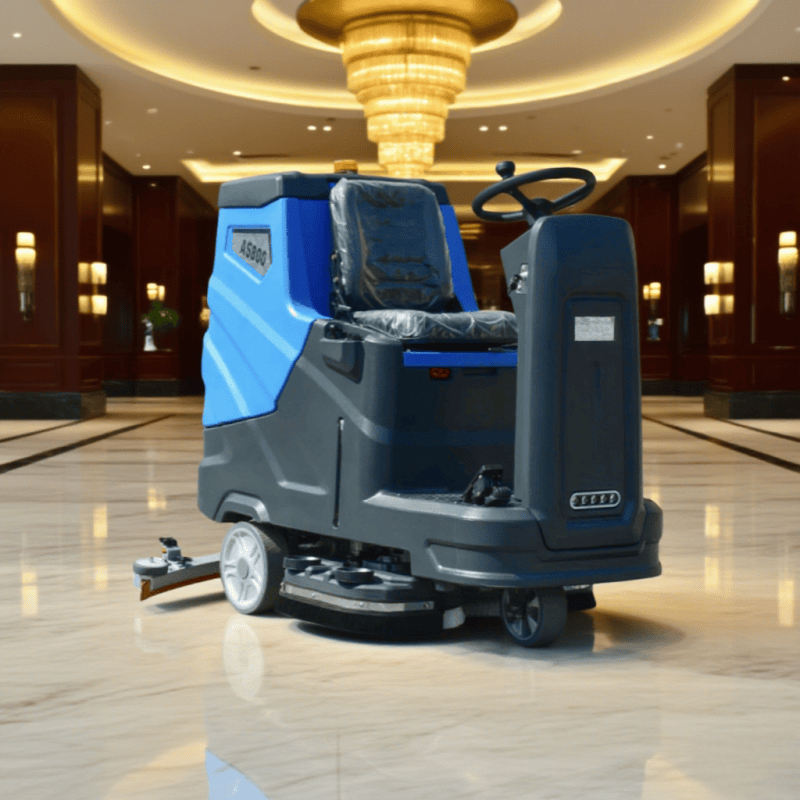
Global Market Leaders in Industrial Floor Cleaner Supply Chains
Top manufacturers with established global distribution networks
Top manufacturers have built out massive distribution systems so that industrial floor cleaners are available throughout North America, Europe, and the Asia-Pacific region. These companies set up regional hubs backed by local warehouses and service centers too, cutting down on delivery wait times by somewhere between 40 to 60 percent when compared to old school single location distributors. The whole setup makes just in time deliveries possible something that really matters for manufacturing plants and logistics operations. When machines sit idle waiting for supplies, it costs around fifteen thousand dollars every single hour according to Material Handling Institute data from last year.
How supply chain resilience impacts industrial cleaning operations
Supply chain problems really mess with hygiene standards and keep operations from running smoothly. Facilities often struggle when they can't get those spare parts or cleaning supplies on time. According to ISSA's latest research, about three out of four facilities experience drops in their sanitation levels when deliveries get delayed. Good supply chain management helps fight this issue through several approaches. Companies start by sourcing materials from multiple suppliers instead of relying on just one source. They also build up some extra stock as insurance against unexpected delays. And many now track shipments in real time so they know exactly where everything is at all times. All these strategies help keep machines working properly even when there are transportation issues somewhere else in the country, which ultimately means cleaner environments for everyone involved.
Case study: End-to-end global logistics for industrial cleaner deployment
A leading manufacturer’s integrated logistics model exemplifies supply chain excellence through regionalized production, AI-optimized distribution, and localized maintenance:
| Logistics Phase | Innovation | Outcome |
|---|---|---|
| Manufacturing | Regionalized production plants | 30% faster regional restocking |
| Distribution | AI-driven route optimization | 22% lower fuel costs |
| Maintenance | Localized technical teams | 4-hour average response time |
This closed-loop system reduces equipment downtime by 45% and saves $740,000 annually in international shipping costs (Ponemon 2023), setting a benchmark for end-to-end supply chain performance.
Regional Supply Chain Strengths of Major Industrial Floor Cleaner Brands
Kärcher’s dominance in Europe and Asia-Pacific supply networks
The company's manufacturing plants throughout Europe plus their distribution hubs in the Asia-Pacific region give them good reach into those markets. These warehouses are situated close to big industrial areas, which means most customers get their orders within two days in around four out of five cases across both continents. Being so close reduces carbon footprints from shipping by roughly a third, plus it helps keep products stocked when demand spikes. And there's something else too local engineers can show up at factories needing repairs usually within a day after someone calls for help, which makes operations run smoother overall.
Husqvarna’s localized manufacturing and its impact on supply reliability
Husqvarna follows what they call a "produce where you sell" approach, setting up shop just 200 miles away from where most customers are located. This cuts down on waiting time for products by around two thirds and basically eliminates those frustrating customs holdups everyone hates. The company's factories in North America get about 9 out of 10 parts right here in the country, which means they aren't so vulnerable when international shipping gets backed up. Remember all those problems at the ports during the pandemic? When 78% of businesses importing industrial gear were stuck waiting, Husqvarna kept delivering what their customers needed, hitting nearly 98% success rate on orders. For places that depend heavily on things like industrial floor cleaning systems, this kind of local setup makes all the difference when operations can't afford downtime.
Innovations and Challenges in Industrial Floor Cleaner Supply Chains
Strategies to Mitigate Supply Chain Disruptions for Industrial Cleaning Equipment
To deal with all sorts of problems in their supply chains, manufacturers have started using several different approaches. They spread out where they get their materials from at least three different areas around the world so if one place has issues, business can keep going. Many companies also stockpile important parts such as electric motors and battery packs just in case something goes wrong somewhere else. Another trick is building machines that can take various types of replacement parts when needed. These strategies really help businesses stay flexible. Some factories even work with local delivery services in different regions to make sure goods still reach customers when there are big problems elsewhere. This kind of planning cut down on production stoppages by roughly forty percent last year when shipping got messed up due to global events.
The Role of Predictive Logistics in Ensuring Industrial Floor Cleaner Availability
The field of predictive logistics has really taken off thanks to artificial intelligence working alongside those little IoT sensors we've been hearing so much about lately. These smart systems give companies almost complete visibility across their entire supply chains from start to finish. The algorithms can actually predict what regions will need what products next, getting it right about 9 out of 10 times according to industry benchmarks. This lets warehouses move stock ahead of time instead of waiting for problems, and helps trucks find new routes when something goes wrong on the road. Some pretty cool stuff happens with maintenance too - the systems sometimes send replacement parts to facilities before anything breaks down at all! A recent report from the Material Handling Institute back in 2023 showed that businesses using these technologies saw equipment sitting idle for nearly a month less than before implementation.
Risks of Over-Reliance on Single-Region Component Sourcing
Dependence on a single sourcing region introduces significant risk:
| Risk Factor | Impact Example |
|---|---|
| Geopolitical instability | 58% cost surge during trade disputes |
| Natural disasters | 6-month production halts after floods |
| Regulatory changes | Retrofit costs exceeding $500k per model |
Manufacturers that diversified beyond Asia-Pacific reduced lead time variability by 73% (Supply Chain Quarterly 2024), underscoring the strategic value of geographic sourcing balance.
Choose DeYou For Your Sanitation Equipment Needs
FAQ
What strategies do manufacturers use to manage supply chain disruptions?
Manufacturers use several strategies like diversifying sources for materials, stockpiling essential parts, developing machines compatible with multiple replacement parts, and partnering with local delivery services to handle supply chain disruptions effectively.
How does predictive logistics benefit the industrial floor cleaner supply chain?
Predictive logistics, supported by AI and IoT, allows companies to achieve almost complete supply chain visibility, forecast regional product needs, optimize stock movements, and schedule maintenance proactively, reducing equipment downtime.
What are the challenges of relying on a single sourcing region?
Relying on a single sourcing region can result in significant risks like price surges due to trade disputes, production halts following natural disasters, and expensive retrofitting from sudden regulatory changes.
How do major brands like Kärcher and Husqvarna enhance their regional supply networks?
Kärcher and Husqvarna enhance their supply networks by regionalizing production and distribution hubs and employing localized manufacturing strategies to reduce shipping times and minimize disruptions from international logistics issues.
Table of Contents
- Global Market Leaders in Industrial Floor Cleaner Supply Chains
- Regional Supply Chain Strengths of Major Industrial Floor Cleaner Brands
- Innovations and Challenges in Industrial Floor Cleaner Supply Chains
- Choose DeYou For Your Sanitation Equipment Needs
-
FAQ
- What strategies do manufacturers use to manage supply chain disruptions?
- How does predictive logistics benefit the industrial floor cleaner supply chain?
- What are the challenges of relying on a single sourcing region?
- How do major brands like Kärcher and Husqvarna enhance their regional supply networks?