 EN
EN

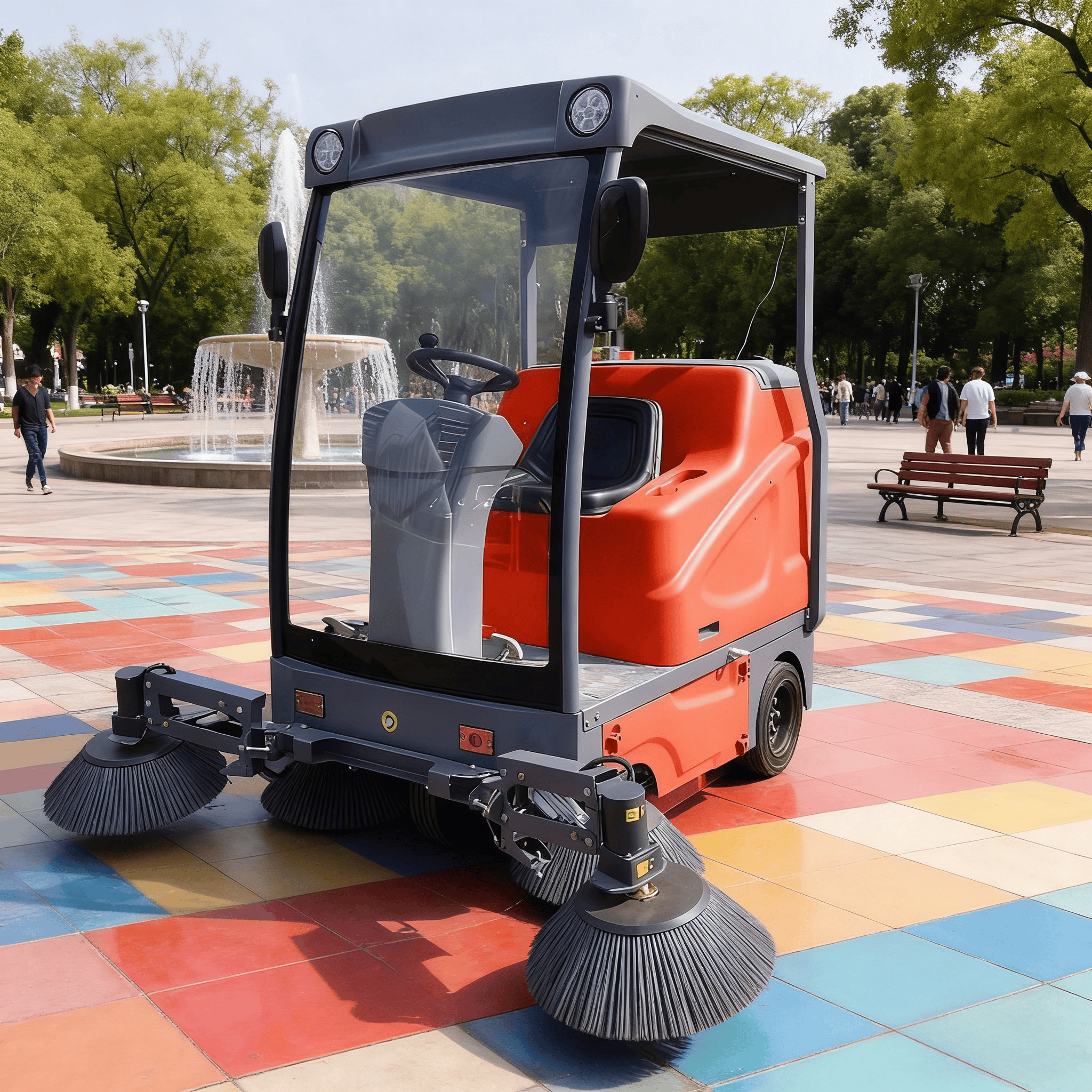
Understanding Environmental Regulations for Road Sweeper Operations
Key Compliance Frameworks: SWPPP, MS4, and NPDES Permits
For road sweeper operations, there are basically three main regulations that need attention: Stormwater Pollution Prevention Plans (SWPPP), Municipal Separate Storm Sewer System (MS4) permits, and the National Pollutant Discharge Elimination System (NPDES). The SWPPP is all about putting plans in place before problems happen to keep stormwater clean. Then we have MS4 permits which control how cities manage their drainage systems, especially in busy urban areas where regular street sweeping becomes essential. And finally, the NPDES program run by the EPA establishes what's allowed when it comes to releasing pollutants into waterways across the country. All these rules together mean road sweepers aren't just nice to have but necessary equipment for cleaning up things like dirt, chemical residues, and trash from runoff water. To stay compliant, companies need detailed records showing how often they sweep streets, how much garbage they actually collect, and where exactly that waste ends up going. Failure to follow these guidelines can lead to serious consequences including fines that top out around $50,000 for each mistake according to EPA data from 2023.
How Road Sweepers Align with Stormwater Pollution Prevention Plans (SWPPP)
Road sweepers count as one of those Best Management Practices (BMPs) listed in SWPPP guidelines, helping stop all sorts of dirty stuff from getting into storm drains. These machines focus on places where pollution tends to build up the most, think industrial areas and busy main roads, picking up things like brake dust left behind by cars, oily residue from engines, and tiny plastic bits before it rains. The newer models can grab around 85% or so of particles smaller than 10 microns, which happens to be pretty important when trying to meet those MS4 standards. Going electric makes these sweepers even better for SWPPP requirements since they don't spew out diesel fumes while working. Cities actually tweak their cleaning schedules based on what's happening in local watersheds, focusing extra attention on spots close to delicate habitats. All this hard work pays off too, cutting down on non-point source pollution by collecting somewhere between 200 to 800 pounds of junk along each mile of sidewalk every year, which stops a lot of ecological problems further down the river.
Road Sweepers' Role in Stormwater Runoff and Pollution Control
Intercepting Pollutants Before They Enter Waterways
Road sweepers act as first line protection against stormwater pollution by clearing up all sorts of debris when there's no rain around. These machines pick up dirt, traces of heavy metals such as zinc and lead, plus leftover oils and greases before storms come along and flush everything down the drains. Cities have found that doing this kind of regular cleaning can stop roughly 90% of harmful stuff from getting into local waterways, based on research from several urban areas across the country. Sweepers focus their efforts where problems tend to start biggest, especially close to factories and busy roadsides. Newer models equipped with vacuum systems are particularly good at cutting down on tiny particles like PM10 and PM2.5 that people breathe in and which can cause serious lung issues over time. Beyond just keeping things clean, this approach helps municipalities stay within legal limits set by MS4 and NPDES regulations, saving money that would otherwise go toward expensive cleanup operations later on.
Case Study: Reducing Non-Point Source Pollution in Urban Watersheds
A 3-year initiative in a Pacific Northwest metropolitan area demonstrated how optimized road sweeper deployment cut pollution in impaired waterways. The program implemented:
- High-efficiency regenerative air sweepers with 95% fine-particle capture rates
- Data-driven route planning prioritizing industrial corridors and construction zones
- Bi-weekly cleaning cycles during dry seasons
Tests showed copper and zinc concentrations dropped around 40% in stormwater runoff over just 18 months, with noticeable improvements in water clarity as well. Biological oxygen demand numbers fell by 30%, which is actually above what local environmental regulations required. These results point to something interesting happening here. When cities strategically placed street sweepers at key locations and installed better filters in drainage systems, they managed to hit water quality goals across multiple jurisdictions without breaking the bank. And there's another benefit worth mentioning - treatment plants are saving roughly $220k each year on operational costs thanks to these changes. That kind of financial relief makes it easier for municipalities to invest in other green initiatives while still meeting their pollution control obligations.
Capturing Harmful Air and Surface Pollutants: PM10, PM2.5, and Heavy Metals
Removing Fine Particulates and Dust (PM10 and PM2.5) from Road Surfaces
Street sweepers fight against harmful air pollutants by collecting tiny bits of dust called particulate matter. These particles come in different sizes, with PM10 being those under 10 micrometers and the even smaller PM2.5 at 2.5 micrometers or less. What makes these particles so dangerous is that they get into our bodies when we breathe them in. They actually make their way into our lungs and bloodstream, which has been linked to all sorts of breathing problems and other health issues. The latest models of street sweepers have really good filters that catch about 95% of PM10 particles and around 88% of the finer PM2.5 stuff according to research published in Atmospheric Environment back in 2021. This kind of performance matters a lot for keeping city air cleaner.
- High-efficiency cyclonic separators forcing particle settlement
- HEPA-grade filters trapping sub-micron contaminants
- Water spray systems suppressing dust resuspension
Targeting Heavy Metals and Chemical Contaminants like Brake Dust and Oil
Urban road dust accumulates toxic heavy metals, lead from historical fuels, cadmium from tires, and zinc from brake pads, at concentrations exceeding EPA thresholds by 300%. Modern road sweepers intercept these pollutants before stormwater runoff carries them into ecosystems. Key mechanisms include:
- Magnetic separation capturing ferrous metals like iron oxide
- Hydrocarbon-absorbent materials binding oil and grease
- Real-time sensors adjusting suction for optimal contaminant removal
This prevents bioaccumulation in aquatic life and reduces soil contamination risks by 41%.
Best Practices for Multi-Region Road Sweeper Compliance and Efficiency
Adapting Sweeping Schedules to Regional Environmental Standards
Different areas need different approaches to street cleaning because of how pollution levels vary, what kind of debris shows up seasonally, and specific stormwater needs. For instance, coastal towns dealing with saltwater damage often schedule twice weekly cleanups around drain outlets, whereas places with lots of trucks passing through factories might need daily cleaning to get rid of fine particulate matter near production facilities. The seasons also play a big role here. Springtime brings all sorts of pollen flying around in milder climates, so cleaning crews have to step up their game during those months. On the flip side, dry regions face dust storms in summer that leave everything coated in grit, requiring special cleaning after strong winds blow through. Cities such as Phoenix saw about 23 percent drop in stormwater issues once they started matching their cleaning schedules to local air quality reports and weather predictions according to research published in the Urban Sanitation Journal back in 2023.
Leveraging Technology and Filtration Systems for Higher Compliance
Today's road sweepers come equipped with HEPA-13 filters that catch nearly all PM2.5 particles (about 99.97% to be exact) while using smart telematics systems to find the best cleaning routes based on current debris conditions. When these machines enter areas where heavy metals are a problem, their GPS systems tweak the brush pressure and suction power automatically. This helps cut down on zinc and cadmium runoff by around 40%, according to recent watershed research. Many companies now have central dashboards that check sweeping results against local MS4 permit requirements and create ready-made reports for regulatory audits. The latest models also feature special hydrostatic filters that stop oil sheens from getting into waterways, meeting NPDES standards in almost nine out of ten cities that track this kind of thing.
FAQ
Why are road sweepers important for stormwater pollution prevention?
Road sweepers play a crucial role in preventing pollutants such as dirt, heavy metals, oil, and chemical residues from entering stormwater systems, ensuring cleaner water and compliance with environmental regulations.
How do road sweepers align with SWPPP guidelines?
Road sweepers are considered Best Management Practices (BMPs) under SWPPP guidelines. They collect and remove pollutants from road surfaces before they enter storm drains, thus aiding in pollution prevention.
What are PM10 and PM2.5, and how do sweepers address them?
PM10 and PM2.5 are fine particulate matters found in dust and air pollution which can harm human health when inhaled. Sweepers equipped with advanced filters can effectively capture and remove these particles from the air.
What technologies do road sweepers use to improve efficiency?
Modern sweepers utilize technologies such as HEPA-13 filters, smart telematics systems for route optimization, and GPS-powered systems for adjustment in brush pressure and suction to improve pollutant capture and operational efficiency.