 EN
EN

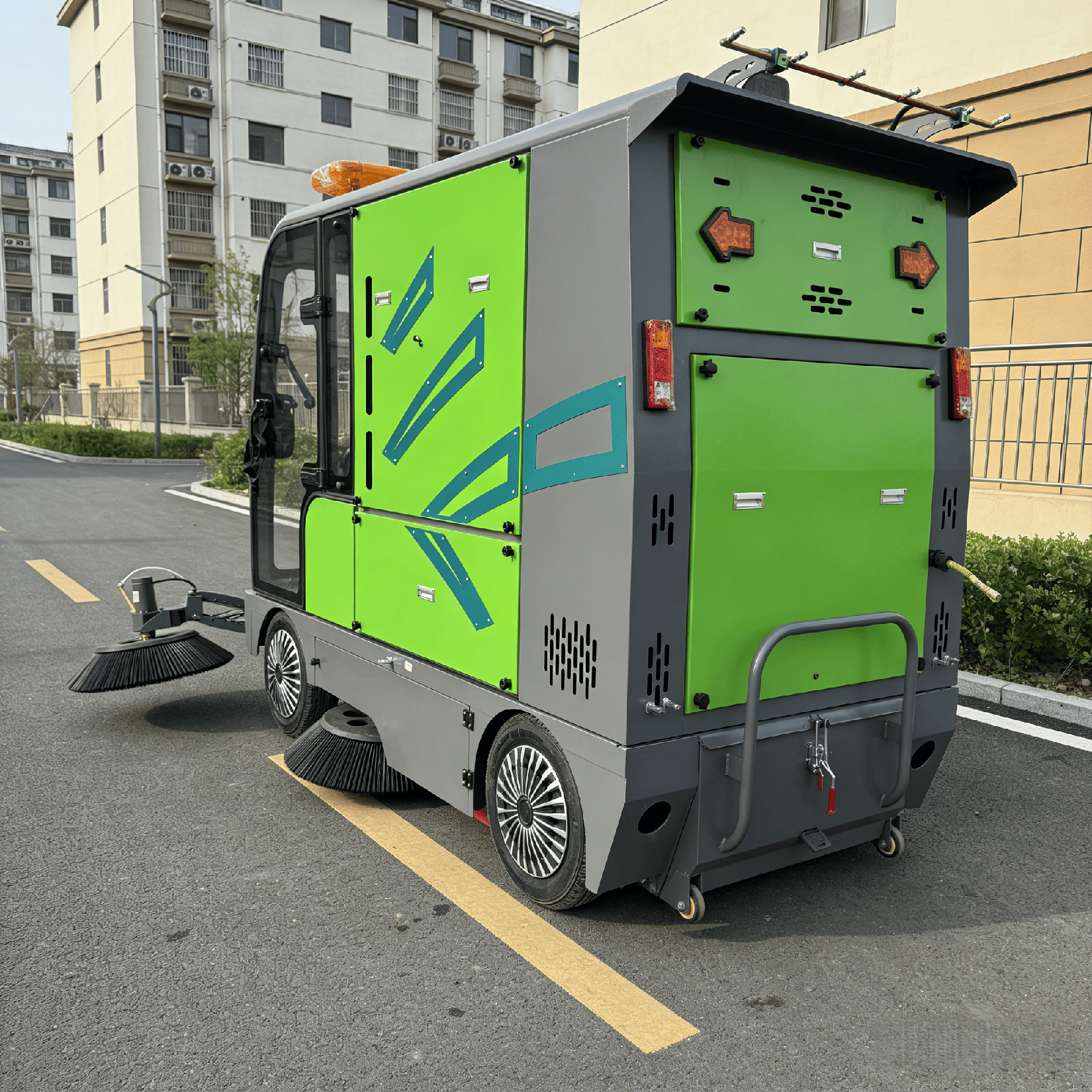
Road Sweeper Capacity vs. Urban Area Scale: Sizing for Efficiency
Sweeping width and hopper capacity benchmarks for small (<20 km²), medium (20–100 km²), and large (>100 km²) municipalities
Getting the right road sweeper specs aligned with city size helps avoid all sorts of problems down the line, including wasted time and money. For smaller towns covering less than 20 square kilometers, compact models with around 2 to 2.5 meter wide brushes and hopper capacities between 4 and 6 cubic meters work best. These machines can navigate tight alleyways and busy downtown areas where bigger trucks would struggle, yet still get decent ground covered. When looking at medium sized cities stretching from 20 to 100 square kilometers, finding equipment that strikes a balance becomes important. Sweepers with brush widths of approximately 2.5 to 3 meters paired with 6 to 8 cubic meter bins offer good coverage without making too many trips back to disposal sites. Big cities with areas exceeding 100 square kilometers absolutely need heavy duty industrial sweepers featuring brush widths above 3 meters and hopper volumes greater than 8 cubic meters just to keep up with the massive amounts of debris generated daily. Something worth noting though is that going beyond 8 cubic meters doesn't really pay off once a city reaches about 50 square kilometers. The extra capacity actually increases fuel consumption by roughly 18% when accelerating and makes maneuvering harder because of the additional weight affecting turning radius.
| Municipality Size | Sweeping Width | Hopper Capacity | Daily Coverage Efficiency |
|---|---|---|---|
| Small (<20 km²) | 2.0–2.5m | 4–6m³ | 15–25 lane-km |
| Medium (20–100 km²) | 2.5–3.0m | 6–8m³ | 30–45 lane-km |
| Large (>100 km²) | >3.0m | >8m³ | 60+ lane-km |
Traffic density's effect on pass frequency, dwell time, and real-time coverage—why peak-hour congestion demands adaptive road sweeper scheduling
The way traffic moves through cities really affects how well street sweepers can do their job. When roads get backed up during rush hour, sweepers just aren't able to go through neighborhoods as often as they should. Studies show these pass frequencies drop by as much as 40%. At the same time, sweepers end up sitting still for longer periods waiting out traffic jams, which means about 25% more non-productive time spent idling. And when traffic is unpredictable, so is the actual area cleaned. That's why streets with heavy traffic need smarter scheduling approaches. Moving cleaning operations to late night hours between 10pm and 5am makes a big difference according to city efficiency reports. Sweepers complete their routes at 55% higher rates during these off-peak times. Today's newer sweeping fleets come equipped with GPS tracking systems and software that reads traffic patterns in real time. These tools help drivers avoid the worst traffic snarls, saving roughly 31% of what would otherwise be wasted driving time. Using this kind of data makes it possible to keep streets clean consistently while also burning less fuel and producing fewer emissions, something that matters a lot in crowded urban areas where air quality is already an issue.
Debris Load and Road Sweeper Performance: Matching Filtration, Capacity, and Cycle Frequency
Quantifying average debris load per km² by urban typology—and how organic, metallic, and fine particulate composition dictates road sweeper filtration and separation requirements
The amount of debris varies quite a bit depending on what kind of area we're talking about, anywhere between roughly 12 and 85 tons per square mile each year. In residential neighborhoods, most of the mess comes from organic stuff like leaves and food scraps, which makes up around 60% of the total. These areas really need those fine mesh filters to keep things running smoothly without getting clogged up all the time. When it comes to industrial areas, there's a lot more metal floating around too, about 35% of the debris is metallic. That means companies working there have to invest in magnetic separators not just to recover valuable materials but also to protect their expensive machinery. Commercial districts are different since they tend to mix it all together. Near construction sites especially, there are these tiny particles smaller than half a millimeter that require special hybrid systems based on HEPA technology if local air quality regulations are going to be met. Regular mechanical sweepers do catch about 92% of larger gravel sized debris, but vacuum systems actually hold onto 40% more of those fine particles. For places where controlling PM2.5 levels matters most, vacuums are necessary despite being more expensive to operate.
| Urban Typology | Dominant Debris | Filtration Requirement |
|---|---|---|
| Residential | Organic (60%) | Fine-mesh screens |
| Industrial | Metallic (35%) | Magnetic separators |
| Commercial | Mixed debris | Hybrid HEPA systems |
Modeling dumping cycle downtime: when hopper capacity exceeds 8 m³, operational efficiency plateaus in districts >50 km²
Bigger garbage bins do cut down on how often they need to empty them out, though there is definitely a sweet spot beyond which things start getting worse. For cities more than 50 square kilometers, those huge containers above 8 cubic meters make trucks heavier by about 15 percent. This extra weight makes vehicles harder to handle and adds roughly 22% to the time it takes to finish routes. All these drawbacks cancel out any time saved by making fewer trips to the dump. The most efficient setup happens when the collection schedule matches where the disposal sites are located. Typically this means collecting waste every 10 kilometers in dense city areas compared to once every 25 kilometers in suburban neighborhoods. And don't forget about fuel consumption. Those oversized containers burn around 18% more gas when accelerating, which really chips away at whatever benefits might have been gained initially.
Road Sweeper Type Selection by Surface and Debris Profile
Mechanical, regenerative air, and vacuum road sweepers: performance trade-offs across concrete, asphalt, and historic cobblestone surfaces
Picking the right road sweeper is about the kind of dirt and surface we need to clean. Mechanical brooms work great on smooth roads made of asphalt or concrete common in new city areas. The spinning brushes do a solid job picking up bigger stuff like rocks and leftover construction bits. When it comes to tiny particles in the air, regenerative air systems beat mechanical ones by about 40%, which matters in busy streets. But they need flat pavement. Old town centers with bumpy cobblestones throw a wrench into things. The uneven stones don't let brushes make good contact and can actually scratch the surface. That's where vacuum sweepers shine. They suck up lighter trash quicker than other methods and won't damage historic surfaces. Cities with different road types usually mix and match equipment depending on where each machine does best for their budget.
Urban Operational Constraints: Maneuverability, Emissions, and Noise Compliance for Road Sweepers
Getting around crowded city streets requires smaller, maneuverable road sweepers. Three-wheel models that can turn in under three meters cut down on time navigating congested areas by about forty percent. These compact machines reach narrow alleys and tricky intersections where bigger sweepers get stuck. For keeping pollution levels down, electric sweepers make a difference. They cut roughly twelve tons of carbon dioxide each year compared to diesel counterparts, according to the U.S. Environmental Protection Agency from 2023 data. Plus, these machines have filters that slash fine particulate matter in busy pedestrian areas by nearly thirty-seven percent. Noise is an important factor too. Sweepers quieter than seventy-five decibels allow for cleaning operations late at night near homes, hospitals, and schools without breaking noise laws that restrict louder machinery. Before sending any fleet out, planners need to check local noise limits, emissions standards, and how streets are laid out in different neighborhoods.
FAQ
What size road sweeper is recommended for my municipality?
For small municipalities (<20 km²), compact models with brush widths of 2–2.5 meters and hopper capacities of 4–6 m³ work best. Medium municipalities (20–100 km²) should opt for sweepers with brush widths of 2.5–3 meters and hopper capacities of 6–8 m³. Large municipalities (>100 km²) require sweepers with brush widths of over 3 meters and hopper capacities exceeding 8 m³.
How does traffic density impact sweeper efficiency?
Traffic congestion, especially during peak hours, decreases pass frequency by up to 40% and increases non-productive idling time by 25%. Adaptive scheduling during off-peak hours, 10pm–5am, can heighten efficiency by 55%.
Which filtration system is ideal for different debris types?
Residential areas often use fine-mesh screens for organic debris management. Industrial zones utilize magnetic separators due to metallic debris prevalence, while commercial districts may require hybrid HEPA systems for mixed debris.
Are larger hopper capacities always better?
Not always. For areas exceeding 50 km², hopper capacities beyond 8m³ cause increased vehicle weight, which negatively impacts handling, fuel consumption, and route time. Optimal efficiency is achieved when collection is aligned with disposal site locations.
Table of Contents
-
Road Sweeper Capacity vs. Urban Area Scale: Sizing for Efficiency
- Sweeping width and hopper capacity benchmarks for small (<20 km²), medium (20–100 km²), and large (>100 km²) municipalities
- Traffic density's effect on pass frequency, dwell time, and real-time coverage—why peak-hour congestion demands adaptive road sweeper scheduling
- Debris Load and Road Sweeper Performance: Matching Filtration, Capacity, and Cycle Frequency
- Road Sweeper Type Selection by Surface and Debris Profile
- Urban Operational Constraints: Maneuverability, Emissions, and Noise Compliance for Road Sweepers