 EN
EN

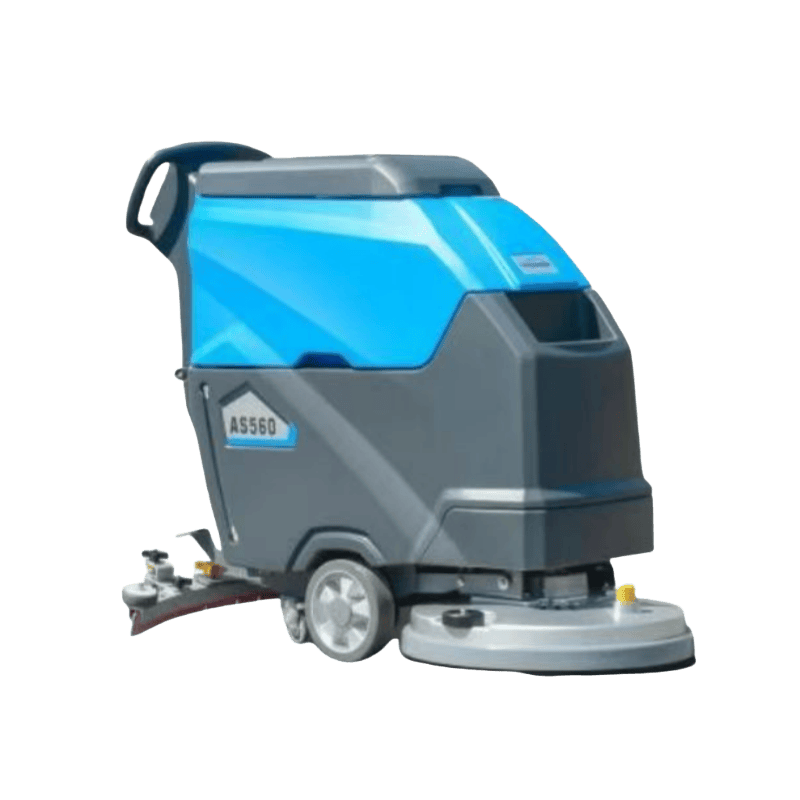
Core Floor Material Categories and Their Mechanical Response to Floor Machines
Different types of industrial flooring react in their own ways to the forces applied during mechanical cleaning, which makes it important to know these reactions to avoid early wear and expensive fixes down the road. Concrete can handle quite a bit of pressure since it has good compressive strength according to standards from the American Concrete Institute around 3,000 to 5,000 psi, but problems start showing up when abrasive cleaning tools spin faster than about 1,200 revolutions per minute, causing tiny cracks. Epoxy resin coatings stand up pretty well against chemicals, but they tend to peel off or lift away when temperatures get over 140 degrees Fahrenheit during fast polishing operations. This happens because heat causes expansion at the bonding line between layers. Rigid core vinyl floors, those SPC or LVT materials, stay stable dimensionally thanks to their stone plastic composite base layer, though they'll warp if too much weight gets pushed onto them, say over 200 pounds concentrated on one spot. Terrazzo floors are tough against impacts generally, but they develop a hazy appearance after being polished with rough diamond pads below 400 grit. Natural stone presents another challenge altogether as it wears unevenly depending on how machines move across it, following specific patterns related to crystal structures within the material itself.
Each material’s modulus of elasticity dictates safe equipment parameters: concrete tolerates 20–25% more down-pressure than vinyl before permanent deformation occurs. Misalignment between machinery settings and substrate properties accounts for 42% of avoidable industrial flooring replacements (FMJ 2022).
| Material | Critical Stress Point | Damage Threshold |
|---|---|---|
| Polished Concrete | Surface abrasion | >1,200 RPM with coarse pads |
| Epoxy Resin | Thermal expansion at bond line | >140°F during burnishing |
| SPC Vinyl | Core compression | >200 lbs concentrated pressure |
| Terrazzo | Matrix micro-abrasion | <400-grit diamond tooling |
Proper floor machine configuration hinges on respecting these intrinsic material limits—not just optimizing for speed or gloss, but preserving structural integrity across the service life of the floor.
Critical Floor Machine Adjustments for Material-Safe Operation
Brush Hardness, RPM, and Down-Pressure Calibration by Floor Type
When working on different types of flooring, three main factors need careful adjustment together: brush hardness, how fast the machine spins (measured in RPMs), and the amount of downward force applied. For shiny epoxy floors, soft nylon brushes running below 800 RPM help maintain their appearance and structural quality. But when dealing with resinous floors covered in stubborn polymer residue, stiffer polypropylene brushes spinning over 1,200 RPM do the job better without harming what's underneath. The pressure matters too. Going above 40 pounds per square inch can actually peel away self-leveling coatings, but troweled concrete stands up well to pressures as high as 75 PSI. According to industry data from last year's cleaning audit, businesses that set their machines according to specific floor materials saw a 32 percent drop in repair bills compared to places that just used the same settings everywhere regardless of surface type.
Modular Attachments: Diamond Pads for Resin, Microfiber Bonnets for Polished Epoxy
One machine can handle all sorts of flooring jobs when it has swappable attachments. Diamond pads ranging from 50 to 200 grit work really well at scraping away urethane resin without damaging the concrete underneath. This makes them great for getting surfaces ready for new coatings. On the other hand, those looped microfiber bonnets are much gentler. They clean up polished epoxy floors by picking up tiny bits of dirt while keeping the shine intact and maintaining protection against chemicals. The ability to switch out parts actually helps everything last longer. Some places that changed their attachments every 18 months reported saving around $740k each year according to Facility Maintenance Journal in 2024. Getting the right balance between how hard the pads work and what kind of chemicals are present matters a lot. High friction tools tend to wear down protective sealants faster, so they shouldn't be used on fresh coats or materials that have low volatile organic compounds.
Risk-Based Cleaning Method Selection Across Industrial Flooring Systems
When pressure washing threatens self-levelling coating integrity
Self leveling floor coatings face real problems from high pressure washing, especially in places where regulations are strict such as food processing plants and pharmaceutical manufacturing areas. When water gets pushed underneath the seams or works its way into tiny cracks, it causes the coating to peel away from the surface below. This creates hiding spots for bacteria growth and makes it harder to maintain proper cleanliness standards required by health inspectors. Using low pressure spray and vacuum systems that operate below 500 psi along with cleaning solutions that have a neutral pH helps avoid these issues altogether while still meeting tough cleaning requirements. Many facility managers who switched to this approach find their floor coatings last around 30 percent longer compared to those who stick with traditional pressure washing methods.
Vacuum vs. dry sweep trade-offs for uncured trowelled concrete
Freshly poured concrete needs proper debris control during those critical first 28 days while it cures. Dry sweeping works great for picking up bigger stuff without messing with the aggregates, but it doesn't get rid of the dangerous silica dust that's been flagged by OSHA as a serious health concern. HEPA vacuums grab almost all the tiny particles (around 99.97%) but can actually damage surfaces if the suction power goes over 80 inches of water lift. Most contractors find success with a two part method: start with dry sweeping to remove the big mess, then follow up with a vacuum set below 60 inches water lift to suck away what's left without harming the surface. Field reports from construction sites show this method cuts down on those annoying pitting problems by about 70% during the early stages of curing, which makes sense when we think about how sensitive fresh concrete really is.
FAQ
What are the challenges of using floor machines on different types of flooring?
Each type of flooring has specific mechanical responses that require careful adjustment of cleaning methods. For instance, concrete can crack under high-speed abrasive cleaning, while SPC vinyl can warp under excessive weight. Knowing these limits helps to avoid expensive repairs.
What adjustments should be made to floor machines to ensure safe operation on various materials?
Adjustments include calibrating brush hardness, RPMs, and down-pressure according to floor types. Soft brushes and lower RPMs are ideal for polished floors, while stiffer brushes and higher RPMs are suited for removing tough residues on more robust surfaces.
How can modular attachments enhance floor cleaning?
Swappable attachments like diamond pads and microfiber bonnets provide tailored cleaning solutions, preserving floor quality. They are compatible with various floor jobs, leading to longer-lasting results and cost savings.
What methods reduce the risk of damage during industrial floor cleaning?
Risk-based cleaning involves using low-pressure and appropriate attachments for different floor types. For example, low-pressure systems avoid damage to self-leveling coatings, and careful vacuum settings minimize harm to fresh concrete.