 EN
EN

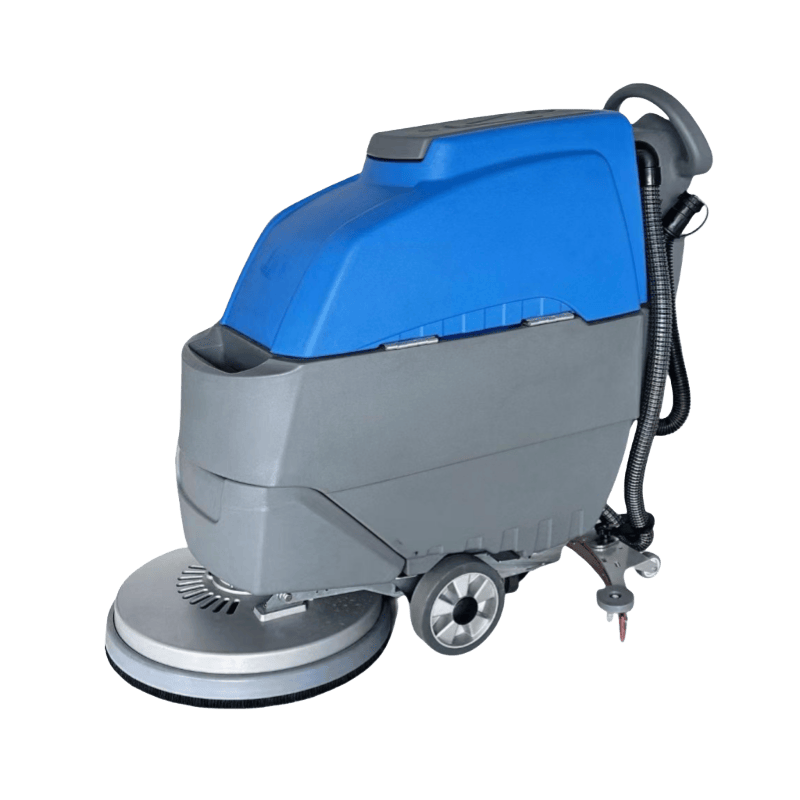
Core Capabilities Every Commercial Cleaning Robot Must Deliver
Autonomous Floor Cleaning: Vacuuming, Scrubbing, and Disinfection Across Hard Surfaces and Carpets
Today's cleaning robots bring together vacuuming, scrubbing, and even disinfection all in one smart machine instead of needing several old school gadgets. These machines know what kind of floor they're dealing with. For hard surfaces, they use those soft microfiber pads that press just right to get rid of dirt without leaving scratches behind. When it comes to carpets, special brushes work their magic to pull out stuff stuck deep in the fibers. And let's not forget about the air quality part either. Most models come equipped with HEPA filters that trap almost all the tiny particles floating around (we're talking 99.97% capture rate for particles as small as 0.3 microns). This makes them really useful places where allergies are a concern, such as medical facilities or hotel rooms where guests might have sensitivities.
Precision Navigation and Real-Time Adaptation Using LiDAR, SLAM, and AI Mapping
Modern robots use LiDAR sensors to create detailed 3D maps of buildings they operate in. At the same time, SLAM algorithms help them figure out where they are and plan their routes as they go along. The artificial intelligence inside these machines processes all that spatial information so they can move through complicated places that keep changing. When someone walks into their path or furniture gets moved around, the robot just reroutes itself without missing a beat. This kind of adaptability makes sure robots can cover all areas consistently even in busy spots like school hallways or office complexes. According to some recent tests, these smart machines finish cleaning tasks about 40 percent quicker than humans do when working manually.
Built-in UV-C Disinfection and Compliance with OSHA, ANSI, and Local Public Health Standards
UV-C modules provide surfaces with chemical free disinfection and have been shown to eliminate around 99.9 percent of bacteria and viruses after about 15 minutes of direct exposure. These systems come equipped with automatic logging features that track important details like how long each cycle runs, what intensity level was used, and which areas were covered during disinfection. This kind of record keeping helps facilities meet OSHA safety guidelines as well as the latest ANSI ASHRAE 180 2022 standards for controlling infections in environments. Hospitals and clinics often schedule these units to run during night hours so they can maintain high levels of cleanliness while still allowing medical staff to carry out their regular duties uninterrupted.
Matching Cleaning Robots to Facility-Specific Demands
Hospitals and Clinics: Pathogen Reduction, HIPAA-Compliant Data Security, and Integration with BMS
Medical robots designed for hospitals tackle germs in two ways at once: they zap surfaces with UV-C light while also spraying EPA approved disinfectants. These machines cut down on harmful microbes by over 99.9% whenever staff aren't doing their regular cleaning rounds. Everything these robots collect gets locked away securely from start to finish, which meets those strict HIPAA regulations about keeping patient info safe. When connected to a hospital's building control system, these cleaners know exactly when to work based on surgery times, moving patients between rooms, and special air pressure needs in certain areas. Plus, their bodies are made with materials that stop bacteria growth, and they have tightly sealed filters that trap tiny particles, making sure nothing bad gets spread around as they do their job.
Offices, Schools, and Malls: Quiet Operation, Multi-Zone Scheduling, and High-Traffic Area Resilience
Noise levels matter a lot in places where people gather. The best performing units stay well under 55 decibels, which means they can run quietly during business meetings, school classes, or when shopping centers are busy. Smart scheduling takes advantage of calendars and looks at how many people are actually moving around to adjust cleaning priorities as needed. For instance, restrooms get attention right after lunchtime crowds pass through, and gym areas need extra care following school sports events. These machines are built tough too. Their sturdy frames, reinforced corners, and durable brushes let them navigate through tight spaces filled with furniture without getting stuck. Managing multiple units from the cloud makes it easy to change cleaning zones on short notice. And thanks to long lasting batteries, these cleaners can handle over 20,000 square feet between charges even when dealing with constant foot traffic throughout the day.
Operational ROI: How Cleaning Robots Address Labor Shortages and Reduce TCO
Facility managers contend with janitorial turnover rates exceeding 30% annually—a driver of both cost volatility and service inconsistency. Cleaning robots directly offset labor dependency by automating routine vacuuming, scrubbing, and disinfection tasks. This reduces payroll expenses by 30–50%, eliminating overtime, benefits, and recruitment overhead amid rising wage pressures.
ROI typically materializes within 1.5–3 years. Robots operate 24/7—including nights and weekends—increasing productive output per shift by up to 40% while reducing human error-driven rework. Precision navigation and smart dispensing cut water and chemical consumption by 20%, further lowering consumables spend.
Beyond direct savings, robots mitigate hidden turnover costs: training new staff averages $5,000 per employee (2023 Facility Management Report), whereas robotic fleets require minimal retraining. Remaining staff benefit from reduced physical strain and transition into higher-value supervisory roles—turning labor scarcity into an opportunity for operational maturity.
Implementation Best Practices for Seamless Deployment and Scalability
Site Assessment, Fleet Sizing, and Staff Training for Long-Term Adoption
Getting things rolling starts with taking a good look at the actual site conditions. We often use CAD maps to figure out where people tend to gather, what kind of floors we're dealing with, how the terrain changes across different areas, and whether there are permanent fixtures or moving parts in the environment. When it comes to figuring out how many robots to deploy, bigger facilities need more machines. As a rough guide, most places find they need about one robot for every 10,000 square feet in busy spots, but some really packed locations might need even more coverage. Training everyone involved matters a lot too. Custodial staff get plenty of practice running the robots and fixing common problems, while our tech team works behind the scenes to make sure all these smart devices connect safely to our network systems. Companies that invest time in realistic training scenarios and keep their staff updated with regular workshops see something remarkable happen - employee turnover drops by around 90%, according to industry reports from manufacturers who've gone through this process themselves.
Cloud-Based Monitoring, Remote Updates, and Predictive Maintenance Support
Cloud dashboards that are centralized give managers instant access to how their fleets are performing right now. They can see things like coverage maps showing where machines have been, check battery levels across the board, and get alerts when something goes wrong. This lets them react fast to problems as they happen. With over the air updates, every device stays up to date with the latest navigation software, safety features, and disinfection rules that meet regulations from OSHA and ANSI standards. The predictive maintenance system looks at vibrations in motors, how batteries degrade over time, and when brushes start wearing out to spot potential breakdowns before they actually happen. This approach cuts down on unexpected equipment failures by about 40 percent according to industry data. One big hospital system saved around $740k last year on emergency fixes thanks to these proactive replacements made during slow periods in their schedule. This not only kept their cleaning operations running smoothly but also helped keep maintenance costs within expected ranges for their budgets.
Frequently Asked Questions
What are the key features of a commercial cleaning robot?
Commercial cleaning robots are equipped with autonomous floor cleaning capabilities, precision navigation, real-time adaptation, built-in UV-C disinfection, and compliance with OSHA, ANSI, and local public health standards.
How do cleaning robots enhance operational efficiency?
Cleaning robots address labor shortages, reduce TCO, and provide operational ROI by automating routine cleaning tasks, helping facilities save on payroll expenses and improving productivity.
How do cleaning robots ensure data security in hospitals?
Medical robots are designed with HIPAA-compliant data security measures that securely lock away collected information to ensure patient information is protected.
How do facilities determine the number of cleaning robots needed?
Facilities typically need about one robot for every 10,000 square feet in busy areas, though some locations may require more coverage based on operational demands.
What is the role of cloud-based monitoring in cleaning robots?
Cloud-based dashboards provide managers with real-time performance metrics, allowing for quick responses to issues and ensuring devices stay updated with the latest safety standards.