 EN
EN

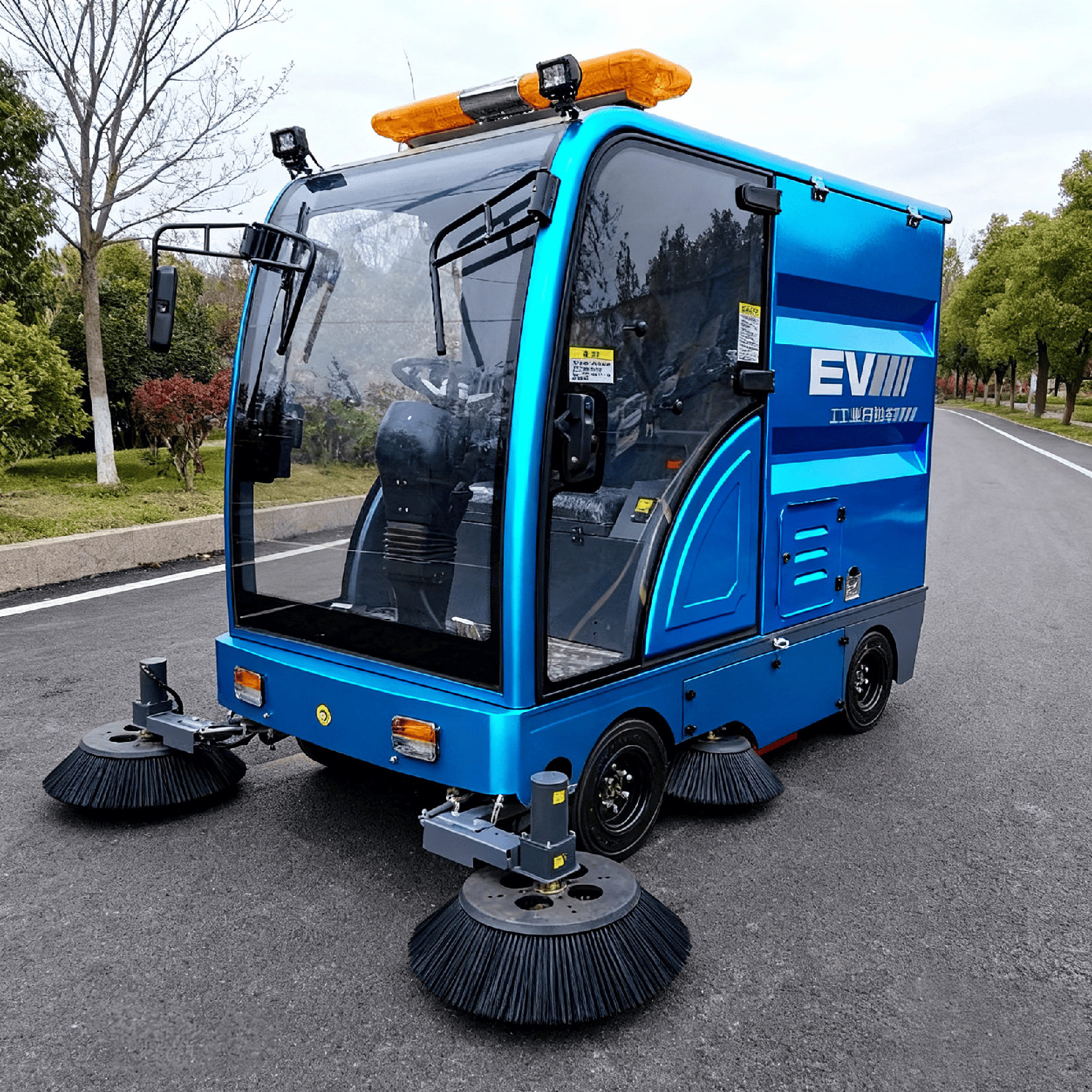
Matching Street Sweeper Types to Municipal Infrastructure and Roadway Profiles
Picking the right street sweeper means looking at what kind of roads we're dealing with, what sort of junk ends up on them, and what rules apply locally. Cities tend to accumulate between 12 and 85 tons of stuff per mile every year according to the U.S. EPA report from 2023. This includes everything from big chunks of building materials down to tiny particles smaller than half a millimeter. The mechanical broom sweepers clean away about 92% of things like gravel and fallen leaves, which makes them great choices for areas around factories and along regular city streets made of asphalt or concrete. These machines help keep gutters clear too, cutting down blockages by nearly 60%. On the other hand, vacuum assisted models actually pick up 40% more of those really small PM2.5 particles that float around in the air. That matters a lot for municipalities facing tough air quality regulations set forth by the Clean Air Act requirements.
Surface compatibility further refines selection:
- Cobblestone/brick roads: Vacuum systems enable 32% faster cleaning due to minimal surface contact and superior fine-dust capture.
- Asphalt/concrete: Mechanical brooms deliver higher efficiency for bulk debris and curb-line cleaning.
- Mixed urban terrain: Hybrid vacuum-broom systems offer adaptable performance across variable surfaces and debris types.
The size of roads plays a big role in deciding what kind of cleaning equipment gets used. Smaller mechanical sweepers, typically under eight feet wide, work best in old town areas where streets are narrow and full of sharp corners. Meanwhile, bigger regenerative air systems handle the heavy duty work in industrial zones that need to process large volumes of debris quickly. When it comes to meeting those tricky MS4 stormwater rules, cities tend to go for machines that can grab at least 85% of floating particles in the water. This helps them stay within legal boundaries without sacrificing their green goals. Getting the right sweeper for each type of street isn't just about following rules though. It actually saves money on operations in the long run, keeps things cleaner overall, and protects the investment in city infrastructure for years to come.
Optimizing Street Sweeper Performance for Urban Operational Demands
Debris-Specific Customization: Brushes, Suction, and Seasonal Adaptability
The amount and type of trash in city streets changes with seasons and varies between different neighborhoods, which means equipment needs to be adaptable for each situation. Hard bristles work best for knocking loose those packed autumn leaves and bits of construction waste that stick around after projects finish up. For summer cleaning though, softer brushes help keep dust down on hot days without making the vacuum system struggle to pick things up properly. The suction power can actually be adjusted depending on what's being picked up too big rocks measuring about 40 to 60 millimeters down to really tiny particles smaller than PM10. When winter comes along special modifications become necessary. Brushes treated to resist ice buildup stop materials from sticking together, and hopper compartments need heating to prevent them from freezing solid. Cities have noticed their crews complete street cleaning routes roughly 35 percent quicker when operators match brush settings and suction strength to actual conditions on the ground instead of wasting time stopping midway through shifts to readjust everything.
Maneuverability, Sweeping Width, and Low-Profile Design for Tight Urban Spaces
Getting around tight alleyways, busy downtown streets, and those old neighborhoods with lots of trees really requires some smart engineering work. The newer compact street sweepers can turn in circles smaller than 6 meters and have sweeping arms that adjust from 1.8 to 2.5 meters wide. This means operators can squeeze through spaces between parked cars and then spread out completely when there's room on wider roads. The operator cabins are also built low to the ground, staying below 2.1 meters tall so they don't hit signs hanging overhead or branches that droop down near the street level something that happens all too often in historic city areas. Combine this with the ability to steer from the back wheels and cameras that show almost everything around the vehicle, and these machines pick up about 98% of debris even in lanes just 3.5 meters wide. That cuts down on wasted time moving around obstacles by roughly 22% compared to older models.
Integrating Municipal Compliance Features into Street Sweeper Systems
Municipalities face stringent environmental and occupational safety regulations—requiring street sweepers to function not just as cleaning tools, but as integrated compliance assets. Purpose-built design features ensure adherence to federal, state, and local mandates while enhancing operator safety and community health outcomes.
Dust Suppression Technologies for Air Quality Regulation Compliance
Dust control has become essential in areas sensitive to PM2.5 and PM10 particles. The latest street sweepers now come equipped with water mist nozzles right at the broom heads plus vacuum sealed containers that trap dust before it can get into the air during cleaning operations. This kind of technology helps cities meet those tough EPA standards for air quality and also complies with various parts of the Clean Air Act. When local governments manage to keep dust from escaping into the atmosphere, they not only avoid getting hit with fines but also safeguard people's lungs in densely populated areas where air quality monitors are constantly checking levels and authorities aren't afraid to take action against violators.
Enhanced Visibility and Operator Ergonomics: Lighting, Controls, and Safety Systems
When it comes to keeping workers safe, visibility matters a lot. Low profile LED lights help mark those curb lines clearly even before dawn hits or during late night shifts. And don't forget about infrared cameras either they stay clear no matter what weather throws their way whether it's foggy, raining, or just really dark outside. The operator cabins themselves have been designed with comfort in mind too. Seats that absorb vibrations, touchscreens that make sense right away, and better views all around so operators aren't as tired after long hours on the job. These days most vehicles come equipped with proximity sensors plus full circle cameras that give drivers a good idea where everything is around them, something that helps meet those tricky OSHA standards for powered industrial trucks. Looking at actual city safety data shows pretty impressive results too about 40 percent fewer close calls and less strain reported by operators whenever these tech upgrades get used regularly across different departments.
Collaborative Customization: How Municipalities Partner with Street Sweeper Manufacturers
Cities that want to stay ahead are now working side by side with equipment makers rather than just buying what they get. City crews actually give manufacturers real world problems they face daily. Think about narrow alleys in old neighborhoods from the 1800s, massive amounts of trash piling up on busy streets, or dealing with leaves in fall then switching to melting snow slush in winter. When manufacturers hear these stories, they start making changes. Some tweak how their machines look so they fit better in tight spaces. Others work on improving brushes so they handle different road surfaces without getting stuck. And many adjust how much garbage their machines can hold based on what kind of area they'll be operating in locally.
Working together creates modular platforms ready for whatever comes next. Cities can swap out brush banks, vacuum modules, and hopper setups in roughly half an hour when seasons change, surfaces differ, or regulations get updated. When manufacturers collaborate during development, they bring cleaner tech into the mix faster. Think about those Tier 4 Final engines or electric powertrains that cut down emissions. Plus there's the telemetry stuff that lets operators track performance live and meet those MS4 requirements. Municipalities that keep talking to their equipment providers end up with machines that grow right along with new green rules, expanding roads, and changing laws. This means better money spent and systems that stand up to whatever challenges come their way throughout the years.
FAQ
What are the key factors when choosing a street sweeper?
The key factors to consider include the type of roads, debris, and local regulations. Understanding the road surface compatibility and operational demands helps in selecting the right model.
How do municipalities benefit from customizing street sweepers?
Municipalities benefit by ensuring compliance with environmental standards, improving efficiency, and reducing operational costs through customized design and features.
What technologies help in dust suppression for street sweepers?
Water mist nozzles and vacuum-sealed containers are key technologies for effective dust suppression, helping cities meet air quality standards.
How do street sweeper designs improve operator safety?
Operator safety is enhanced through features such as LED lighting, infrared cameras, ergonomic cabins, and proximity sensors, which all contribute to reduced strain and better visibility.
Table of Contents
- Matching Street Sweeper Types to Municipal Infrastructure and Roadway Profiles
- Optimizing Street Sweeper Performance for Urban Operational Demands
- Integrating Municipal Compliance Features into Street Sweeper Systems
- Collaborative Customization: How Municipalities Partner with Street Sweeper Manufacturers
- FAQ