 EN
EN

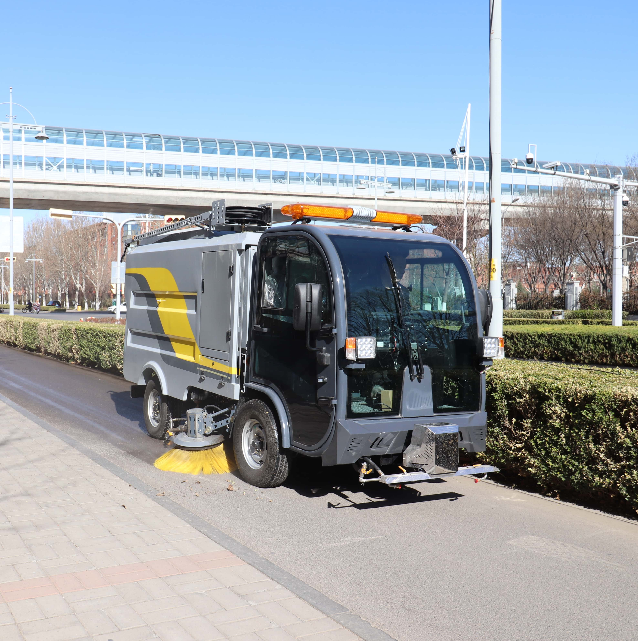
Key Municipal Requirements Driving Street Sweeper Procurement
Operational Demands: Durability, Multi-Surface Coverage, and Shift-Ready Reliability
City governments need street sweepers that can handle the rough daily grind on all sorts of surfaces, whether it's smooth pavement or those tricky cobblestone streets. The mechanical broom versions are the workhorses for big cities where there's just so much dirt to clean up every day, typically moving around 8 to 10 tons worth of trash and grime. Keeping roads clear without causing traffic headaches is becoming a top priority, particularly in busy downtown areas. That's why more and more specs now focus on machines that can run nonstop for long periods. According to a recent study from Public Works Journal, well over half of city maintenance crews want their sweepers to last at least 18 hours straight before needing downtime.
Budget & Lifecycle Constraints: TCO Analysis Beyond Upfront Cost
Cities that think ahead tend to look at street sweepers using a 10 year total cost of ownership approach, since maintenance alone eats up around 40 to 60 percent of what these machines will ultimately cost over time. When comparing different models, regenerative air sweepers generally come out cheaper in the long run across paved city streets, probably because they have fewer moving parts to break down and they burn fuel more efficiently. What really matters when calculating those costs? Well, figuring out if switching from diesel to electric makes financial sense is one thing. Then there's finding replacement parts locally, knowing how many repair shops can handle them, and whether they'll still hold their value once they've been used for half a decade on city streets.
Workforce Integration: Operator Training, Cab Ergonomics, and Safety Compliance
Today's sweepers come with ISO certified cabs that cut down operator fatigue around 30% when working long hours straight through. This makes a big difference for keeping staff happy and safe on the job. Most cities are starting to require Roll Over Protection Systems along with smart collision avoidance tech these days. We've seen about 78 out of every 100 municipal requests for proposals include these features lately. Training programs have gotten much better too. They cover things like maintaining those PM2.5 filters and following stormwater rules properly. As a result, new workers get up to speed about three weeks faster than before. This speeds up getting the whole fleet ready while still meeting all the regulations everyone has to follow.
Regulatory Compliance: Environmental Standards and Stormwater Permitting
NPDES and Local Stormwater Rules: How Filtration, Discharge, and Reporting Affect Street Sweeper Selection
When purchasing street sweepers, municipalities need to make sure they comply with both the National Pollutant Discharge Elimination System (NPDES) requirements as well as local stormwater rules. These regulations typically require at least 80% sediment capture rates and ban any discharge of unfiltered materials into our waterways. Failure to follow these guidelines can result in hefty fines under the Clean Water Act, sometimes running over $56k each day according to recent EPA data from 2023. Many cities are now turning to automated reporting solutions that track things like how much debris gets collected, detect chemical residues, and monitor filtration effectiveness. This approach saves around 30% of the time spent on paperwork compared to old fashioned manual logging methods while also making it easier when auditors come knocking.
Zero-Discharge Vacuum vs. Regenerative Air: Risk, Verification, and Enforcement Realities
Vacuum sweepers that produce zero discharge completely remove the possibility of runoff, which makes them popular options in areas where Total Maximum Daily Load (TMDL) regulations are particularly tight. Models verified by the EPA can cut PM2.5 levels by over 70%, something that matters a lot in regions struggling to meet air quality standards. Meanwhile, regenerative air systems are running into more regulatory problems these days. About 42% of local governments now want independent confirmation before accepting any air quality claims made by manufacturers. When certifications turn out to be false, city officials could end up facing fines as high as $740,000 according to a Ponemon Institute report from 2023. This means ensuring compliance isn't just some minor technical concern anymore but has become central to how cities decide what equipment to buy.
Street Sweeper Types Compared for Public Infrastructure Use
Mechanical Broom Sweepers: High-Volume Debris Handling for Municipal Fleets
Mechanical broom sweepers still play a vital role in places with lots of debris, like after storms hit or during construction work. Their spinning brushes do a good job picking up gravel, sand, and bigger trash items into those onboard containers. These machines save money when dealing with large amounts of material. However, they struggle with tiny particles smaller than what most people would notice visually. And on dry days, operators often complain about how these sweepers actually stir up more dust instead of containing it properly.
Regenerative Air Sweepers: Performance on Paved Surfaces and Limitations in Mixed-Use Zones
Regenerative air sweepers work best on smooth pavement where they can create that closed loop airflow system that really lifts and traps those tiny dust particles better than old school mechanical models ever could. But things get tricky when these machines hit rough ground or broken asphalt found in those patchwork areas between city streets and country roads. Leaves and other wet stuff just mess with the airflow completely. And let's not forget about those complicated filter systems inside them either. They need regular attention from someone who knows what they're doing, which means higher maintenance bills whenever these sweepers aren't stuck to nice clean roadways all day long.
Vacuum Sweepers: EPA-Verified PM10/PM2.5 Control and Adoption Evidence from U.S. Cities
When it comes to controlling fine particles, vacuum sweepers really stand out in the industry. The Environmental Protection Agency has actually verified that these machines can capture over 90% of both PM10 and PM2.5 particles. Cities have seen real results too. Take Phoenix for example they saw a 15% drop in PM10 levels after switching their entire fleet to vacuum sweepers. Denver ran a similar test and found that areas where these machines were used had about 22% fewer health complaints related to particulates. What makes them so effective? The sealed containment system stops dust from escaping during transport. This not only keeps things clean but also means municipalities stay compliant with stormwater regulations and don't have to worry about accidental discharges down the road.
FAQ
What are the main types of street sweepers used in municipalities?
The main types of street sweepers used in municipalities are Mechanical Broom Sweepers, Regenerative Air Sweepers, and Vacuum Sweepers. Each has its unique advantages depending on operational demands and environmental standards.
How do cities ensure regulatory compliance with street sweepers?
Cities ensure regulatory compliance by selecting sweepers that meet requirements from bodies like the NPDES and local stormwater rules, ensuring sediment capture rates, and using automated reporting solutions for tracking debris collection and filtration effectiveness.
Why is consideration for Total Cost of Ownership important in street sweeper procurement for municipalities?
Considering Total Cost of Ownership is important because it accounts for long-term maintenance costs, fuel efficiency, and potential savings from switching technology (such as diesel to electric), beyond just the initial purchase price.
What operational demands influence the choice of street sweepers in urban areas?
Operational demands include durability on varied surfaces, ability to operate without causing traffic disruption, and the capacity to function for extended hours without requiring downtime.
What improvements have been made in regards to street sweeper operator safety and training?
Improvements include ISO-certified cab designs that reduce operator fatigue, mandatory incorporation of safety features like Roll Over Protection Systems, and enhanced training programs for quicker workforce integration and compliance.
Table of Contents
- Key Municipal Requirements Driving Street Sweeper Procurement
- Regulatory Compliance: Environmental Standards and Stormwater Permitting
- Street Sweeper Types Compared for Public Infrastructure Use
-
FAQ
- What are the main types of street sweepers used in municipalities?
- How do cities ensure regulatory compliance with street sweepers?
- Why is consideration for Total Cost of Ownership important in street sweeper procurement for municipalities?
- What operational demands influence the choice of street sweepers in urban areas?
- What improvements have been made in regards to street sweeper operator safety and training?