 EN
EN
Automating Routine Tasks to Maximize Labor Productivity
Route optimization and autonomous navigation cut cleaning time by up to 40%
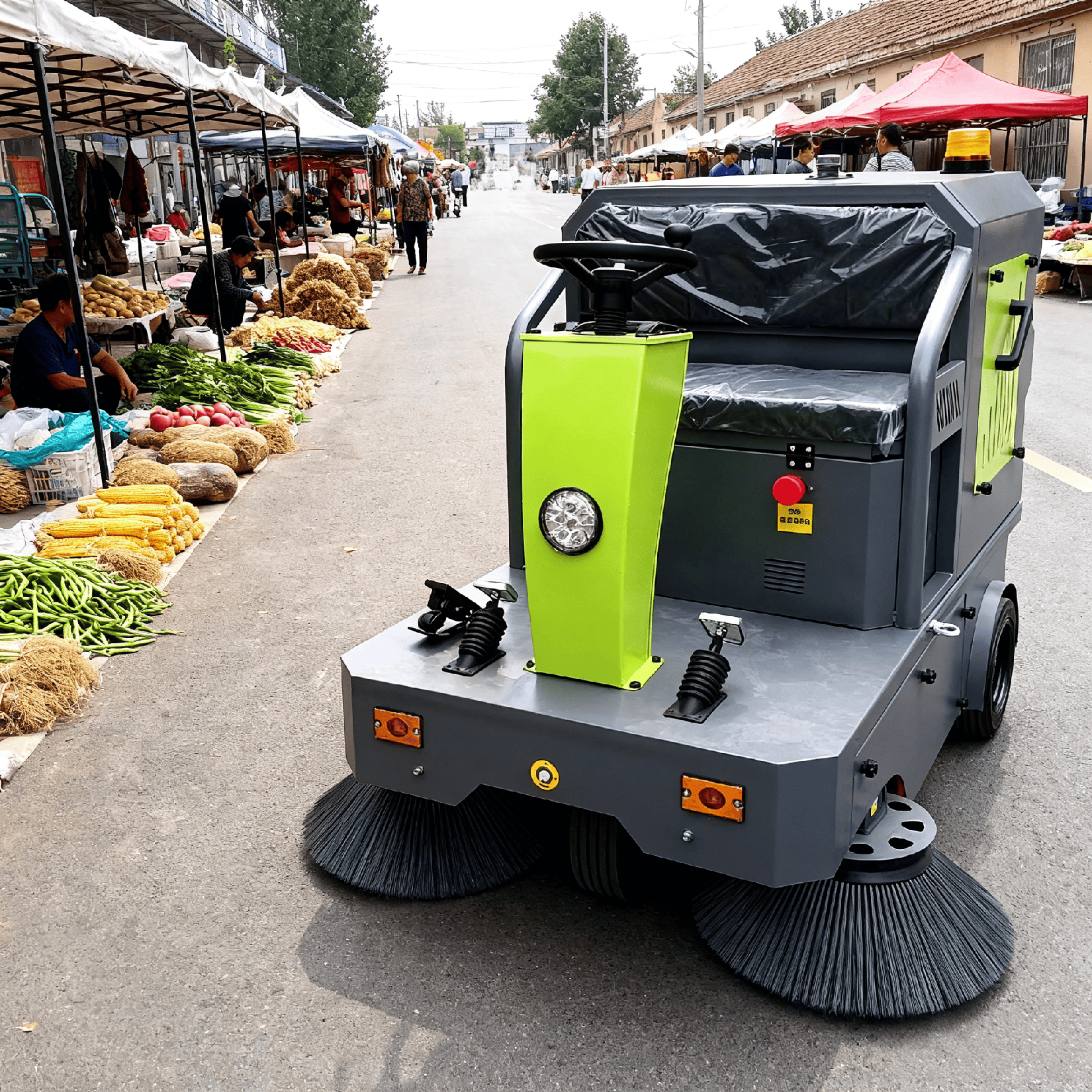
Modern cleaning machines leverage AI-driven route optimization and LiDAR mapping to eliminate redundant paths and adapt to dynamic environments. Autonomous floor scrubbers navigate around obstacles while maintaining optimal coverage patterns—reducing average cleaning cycles by 30–40% in commercial property deployments. Key advantages include:
- 24/7 operational capability unaffected by shift changes
- Consistent pressure application and chemical dosing
- Real-time adjustment for high-traffic zones
This automation transforms labor allocation: teams previously walking 5–7 miles per shift now monitor multiple machines simultaneously, freeing them from repetitive physical tasks.
Labor reallocation: From manual execution to oversight and exception handling
When robotic cleaners take care of everyday floor cleaning tasks, staff members can focus on jobs that actually matter more - things like checking quality standards, dealing with those tricky spots that need extra attention, and coordinating regular maintenance checks. According to a recent 2023 study on facility management practices, companies saw around two thirds of their cleaning time being redirected towards these important new duties once they brought in automation technology. What happens next? Fewer mistakes caused by tired workers drops down by almost half, plus there's quicker action when something spills unexpectedly. Workers also get trained for tech support roles and learn how to schedule equipment maintenance before problems happen. Looking at actual numbers from facilities using this approach, overtime expenses went down by about 22 percent overall, and people living or working in those buildings reported feeling much happier too, with satisfaction ratings jumping nearly 20 points higher than before.
Enabling Data-Driven Scheduling Through Smart Cleaning Machine Integration
IoT sensors and cleaning machine telemetry trigger adaptive cleaning cycles based on occupancy, spills, and usage patterns
Automated performance reporting reduces administrative overhead by 30%
Telemetry systems integrated into facility operations create reports that are ready for compliance checks regarding things like how much area was cleaned, chemicals used, and when equipment ran. This basically does away with those old paper logbooks and cuts down the paperwork workload by about 30 percent according to the JLL 2023 Facility Tech Benchmark study. Managers at facilities end up saving around seven hours every week just on filling out forms and such. Plus, these real time dashboards actually show where things aren't running efficiently. For instance, they might highlight machines sitting idle even though it's supposed to be their busiest time. Seeing these issues helps managers make quick changes based on actual numbers instead of guesswork.
Unifying Operations via Cleaning Machine—PMS Integration
Bidirectional API Integration Synchronizes Maintenance Logs, Work Orders, and Compliance Records Across Platforms
When cleaning equipment connects two way with property management systems through APIs, it acts like the main communication channel between these different systems. The connection makes sure that maintenance records, service requests, and all those important compliance papers get updated automatically instead of someone having to type them in manually. What this means is cleaner, easier to check records that move between platforms without issues. If something goes wrong with the cleaning machines, the system creates maintenance alerts automatically. At the same time, when the property management system knows who is staying where, it can plan out when robots should clean on their own. This kind of system integration turns separate processes into one place where everything works together better. We've seen departments spend about 35% less time coordinating tasks across teams, plus reports for compliance checks come out much more accurate than before.
Ensuring Quality, Compliance, and Tenant Satisfaction with Advanced Cleaning Machines
AI-powered scrubbers achieve 99.2% path consistency vs. 78% for manual operators
The precision offered by AI scrubbers is something regular cleaners just can't match according to recent studies. These machines maintain around 99.2% path consistency while humans only hit about 78%, as shown in the ISSA 2024 Field Study. When there are no gaps left behind, it makes a real difference for facilities trying to stay compliant with sanitation rules, prepare for health inspections, and keep tenants happy. Because these robots follow their programmed paths so consistently, they treat each square foot pretty much the same way throughout the whole space. This matters a lot when it comes to avoiding costly violations and sticking to standards set out by places like the CDC for infection control in environments where germs spread easily.
When property management teams have reliable systems in place, they can automatically generate those pesky compliance reports that auditors love so much. At the same time, building occupants notice the difference too - hallways, elevator cars, and common areas stay consistently clean even during busy periods. This has actually led to around an 18 percent improvement in tenant satisfaction ratings for buildings with multiple residents. Once we take out all that human inconsistency, people stop complaining about spots where soap scum builds up or dust collects in hard to reach places. The result? Fewer maintenance calls and stronger confidence that the building is being properly maintained day after day.
FAQs
How do autonomous floor scrubbers improve cleaning efficiency?
Autonomous floor scrubbers use AI-driven route optimization and LiDAR mapping to adapt to dynamic environments and reduce cleaning cycles by maintaining optimal coverage patterns.
What roles do staff members take on after automation is implemented?
After automation, staff members focus on quality assurance, dealing with difficult cleaning tasks, and performing maintenance checks.
How does API integration affect maintenance and compliance records?
API integration ensures that maintenance records and compliance documents are updated automatically, facilitating better synchronization and accuracy across platforms.