 EN
EN

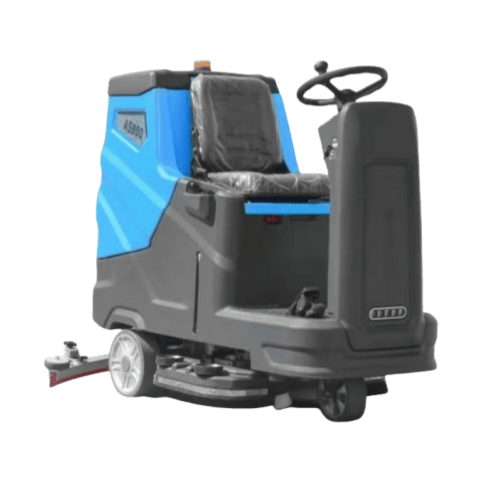
Why Multi-Scenario Compatibility Matters for Modern Floor Washing Machines
From clean rooms to busy storage areas, different facilities need different cleaning approaches. Hospital hallways demand quiet operation and exact chemical application, whereas factory floors often require aggressive dirt removal. When cleaning equipment can't handle multiple situations, companies end up buying lots of different machines for each space. This splits up maintenance money and makes it harder to train staff properly. According to industry reports, businesses that stick with one machine per task typically spend around 37 percent extra on managing their cleaning fleet compared to those who invest in flexible systems. As sanitation rules keep changing - think stricter cleanliness requirements at schools or special coatings needed in manufacturing plants - being able to adapt becomes really important. A good all-around floor cleaner brings everything together in one unit, automatically adjusting things like scrubbing force, how much cleaning solution gets used, and even how loud it runs so surfaces stay intact no matter where it goes, all while cutting down on overall expenses.
Modular Design: The Foundation of Cross-Environment Floor Washing Machine Flexibility
Modular engineering transforms floor washing machines from single-purpose tools into versatile assets for diverse settings. Swapping components— not entire systems— enables seamless transitions between environments without redundant investments.
Adaptable Brush Systems and Interchangeable Accessories
Top manufacturers now make bristle brushes, soft microfiber cloths, and abrasive scrubbing pads that snap right onto cleaning machines in just a few seconds flat. What this means is one basic floor washer can handle everything from tackling greasy messes in restaurant kitchens to giving those shiny marble floors at shopping malls their weekly polish simply by swapping out parts. Industry reports from last year actually show these systems cut down on duplicate equipment needs by around three quarters for companies running multiple locations. And best part? All this versatility doesn't compromise on keeping things clean and sanitary either.
Configurable Power Modes and Surface-Safe Protection Classes (IP54+)
Machines with variable power profiles and ingress protection (IP54+) ratings prevent surface damage during cross-environment use. For example:
| Feature | Healthcare Use Case | Warehouse Use Case |
|---|---|---|
| Eco Mode | Quiet cleaning near patients | Extended battery runtime |
| Turbo Scrubbing | Stain removal in ERs | Oil/grease elimination |
| IP54+ Sealing | Liquid spill containment | Dust resistance during work |
IP54+ certified units reduce water damage incidents by over 60% in sensitive labs according to recent facility management reports (2023), proving critical for sterile zones.
Key Performance Parameters That Enable Seamless Use Across Facilities
Battery Life, Footprint, and Runtime for Warehouses vs. Tight Hospital Corridors
How long a machine can run and how well it moves around determines if it works across different environments. For big warehouse spaces, floor washers need batteries that last at least 90 minutes plus big tanks so they don't have to stop for refills when covering huge areas. The situation changes completely in hospital settings though. These machines must be small enough to fit through narrow hallways where gurneys pass by, ideally under 24 inches wide. They also need to dry surfaces quickly to avoid anyone slipping. What makes these machines efficient over time comes down to their brush motors. Machines with strong torque motors get concrete floors clean in just one or two passes but then cut back power automatically when moving onto softer vinyl surfaces to protect them from damage.
Tank Capacity, Noise Level, and Drying Efficiency for Schools, Retail, and Sterile Labs
When it comes to public areas, people really care about both how things feel and keeping things clean. Take schools for instance they absolutely need machines that run quietly below 65 decibels so teachers can actually teach without constant noise distractions. Same goes for stores where customers want peace while browsing products. Labs that deal with sensitive experiments? They have even stricter requirements no leftover moisture at all because bacteria just loves damp surfaces. The newer equipment typically has these big dual tanks holding between 15 to 20 liters which keeps clean water separate from dirty stuff during cleaning cycles. This setup stops any mixing between different types of fluids which is obviously important safety-wise. Some top notch models can get surfaces almost completely dry reaching around 95% dryness in just half a minute thanks to either hot air blowing or those fancy vacuum systems working together. This kind of speed makes all the difference in places like hospital emergency rooms where staff needs quick access back into cleaned areas without waiting forever, otherwise everyone gets backed up and delays happen.
Real-World Validation: Proven Multi-Scenario Floor Washing Machine Applications
Hospital Complex Deployment: Lobby, ER, and Lab Environments on a Single Platform
Hospitals are actually great places to test how well multi-scenario floor washers work because they need machines that can handle everything from busy entryways to super clean emergency rooms and labs. The lobby areas get tons of foot traffic every day so they need big tanks and wide brushes for thorough cleaning. But when those same machines go into the ER, they have to switch gears completely - quick chemical disinfection is critical here plus they must run quietly under 65 decibels so patients don't get disturbed during treatments. Labs present their own challenges too with special needs like HEPA filters on vacuums and water resistant components rated at IP54 standards to keep expensive lab gear safe from moisture damage. Take the case of a hospital in Ohio that saved around 30% on equipment expenses after switching to just one flexible floor washer model for all departments. Their staff now finishes daily cleaning tasks about two hours quicker than before without compromising on cleanliness standards required by health regulations. When looking at real world applications, it becomes pretty clear why having adaptable cleaning solutions beats buying separate machines for each specific area in complicated buildings like hospitals.
FAQ
Q: What is the importance of multi-scenario compatibility in floor washing machines?
A: Multi-scenario compatibility allows a single floor washing machine to efficiently clean diverse environments, reducing the need for multiple specialized machines, lowering costs, and simplifying staff training.
Q: How does modular design contribute to the flexibility of floor washing machines?
A: Modular design enables components to be swapped out instead of entire systems, allowing seamless transitions between different cleaning environments without redundant investments.
Q: What are some key performance parameters for cross-environmental floor washing machines?
A: Important parameters include battery life, machine footprint, tank capacity, noise level, drying efficiency, and adaptable power modes which cater to the specific needs of various facilities.
Q: How do floor washing machines adapt to different surfaces?
A: They utilize adjustable brush systems, interchangeable accessories, and variable power profiles to clean a wide range of surfaces while minimizing damage.
Table of Contents
- Why Multi-Scenario Compatibility Matters for Modern Floor Washing Machines
- Modular Design: The Foundation of Cross-Environment Floor Washing Machine Flexibility
- Key Performance Parameters That Enable Seamless Use Across Facilities
- Real-World Validation: Proven Multi-Scenario Floor Washing Machine Applications
- FAQ