 EN
EN

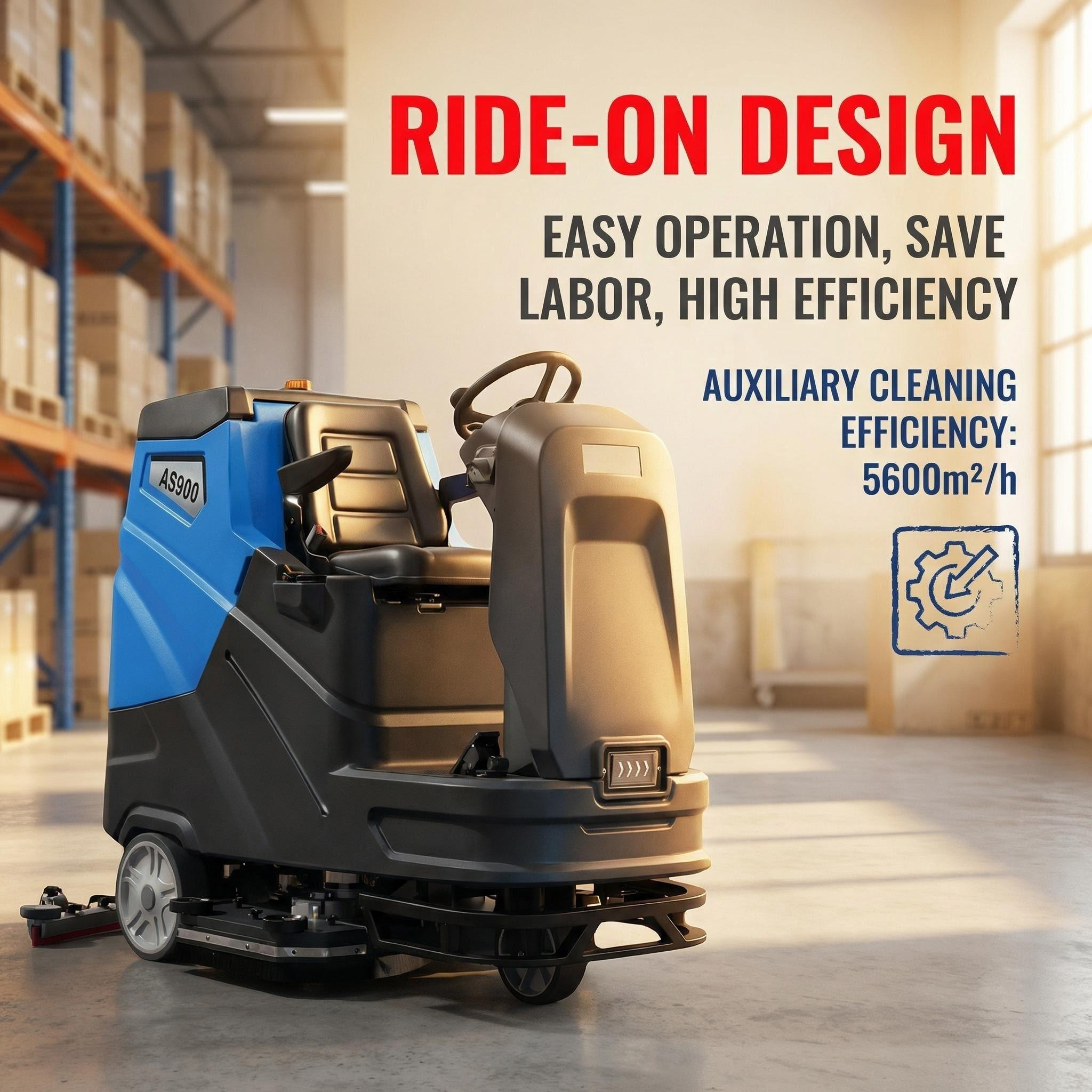
Why Standard Floor Washing Machines Fail on Heavy Oil Stains
Standard floor washing machines are fundamentally unsuited for industrial oil stains due to design and chemical limitations. Oil bonds aggressively to porous concrete through capillary action and molecular adhesion—a process accelerated when hydrocarbons oxidize upon air exposure. Research shows 78% of untreated spills penetrate beyond the surface within 72 hours, forming subsurface reservoirs that evade conventional cleaning. These machines typically operate at low pressure (below 1,000 PSI) and ambient temperatures, failing to disrupt the polymerized oil matrix that develops over time. Their brushes also lack the torque and oil-resistant bristle materials needed to dislodge viscous residues. In concrete maintenance studies, standard equipment leaves behind 60–70% of contaminants on aged petroleum stains—residual oil that attracts particulate matter, causes rapid re-soiling, and triggers repetitive cleaning cycles that degrade floor integrity, reducing concrete strength by up to 20% with prolonged use.
Key Features of an Industrial Floor Washing Machine for Heavy Oil Removal
Effective removal of heavy oil stains requires specialized industrial equipment. Standard machines lack the thermal and mechanical force needed to break down petroleum-based residues—leading to incomplete cleaning and wasted resources. Selecting a floor washing machine engineered for industrial oil removal ensures optimal results through targeted design features.
Hot Water Delivery (≥180°F) and High-Pressure Degreaser Injection
Heating water above 180°F significantly reduces oil viscosity, enabling deeper penetration into concrete pores. Combined with high-pressure degreaser injection systems, this creates a synergistic effect that emulsifies stubborn petroleum residues. Industrial-grade machines deliver 500–1,200 PSI through specialized nozzles, forcing emulsified oils to lift from surfaces. Proper temperature maintenance is critical: oil removal efficiency drops by 40% below 160°F, according to the Industrial Cleaning Journal (2023).
Robust Brush Systems: Dual-Disk, Counter-Rotating, or Cylindrical with Oil-Resistant Bristles
Mechanical scrubbing systems must withstand aggressive oil removal without degradation. Three configurations excel:
- Dual-disk brushes cover wide areas efficiently
- Counter-rotating models generate focused scrubbing torque
- Cylindrical rollers provide continuous surface contact
Bristles made from polypropylene or nylon composites resist oil absorption and maintain stiffness under chemical exposure. Machines combining brush speeds above 200 RPM with downward pressure exceeding 100 lbs achieve 90% oil removal in a single pass. To sustain performance, replace brushes every 300–500 operational hours.
Industrial Floor Washing Machine vs. Pressure Washer: When to Choose Which
For heavy oil-stained factory floors, the choice between industrial floor washing machines and pressure washers hinges on contamination type, surface area, and environmental control. Pressure washers (3,000–5,000 PSI) excel at removing exterior debris like caked-on mud or outdoor concrete stains—but risk dispersing oil into drains or creating indoor slip hazards. In contrast, industrial floor washing machines contain wastewater, integrate chemical injectors for targeted degreasing, and use scrubbing systems to emulsify oil without overspray. Choose pressure washers for open yards or machinery exteriors; opt for enclosed floor washers for indoor oil spills, confined spaces, or EPA-regulated sites where contamination containment is mandatory.
Chemical Compatibility and Operational Best Practices for Oil-Stained Concrete
Effective oil removal from concrete demands strategic chemical pairing and disciplined procedures—not just machine power. Mismatched degreasers can etch surfaces or leave residue, while improper dwell times reduce efficacy. Always test cleaners on inconspicuous areas first and follow manufacturer dilution ratios precisely. For fresh spills (<24 hours), absorbents like clay granules prevent deep penetration before machine cleaning. With older stains, mechanical scrubbing must complement chemical action: allow 10–15 minutes dwell time for deep pore penetration before agitation. Rinse thoroughly within recommended timeframes to prevent cleaner residue from attracting new contaminants.
Matching Degreasers to Oil Type: Alkaline, Solvent-Based, and Bio-Enzymatic Options
| Degreaser Type | Best For | Limitations |
|---|---|---|
| Alkaline | Fresh vegetable/animal fats | Ineffective on aged petroleum stains |
| Solvent-Based | Motor oils, hydraulic fluids | May damage sealed surfaces; requires ventilation |
| Bio-Enzymatic | Food-grade oils in eco-sensitive areas | Slower action (24–48 hr dwell) |
Alkaline formulas saponify fats through hydrolysis but struggle with polymerized oils. Solvent-based options dissolve petroleum bonds rapidly yet pose flammability risks. Bio-enzymatic cleaners utilize bacteria to digest organics sustainably but require warmer ambient temperatures (>60°F) for peak performance. Always pair degreasers with brush systems rated for chemical resistance to prevent bristle degradation during industrial cleaning cycles.
FAQ
Why do standard floor washing machines fail on heavy oil stains?
Standard floor washing machines are not equipped to handle heavy oil stains due to low pressure, low temperature, and inadequate brush systems. They leave behind significant oil residues which can cause re-soiling and floor degradation.
What key features should an industrial floor washing machine have for oil removal?
Industrial machines should have hot water delivery above 180°F, high-pressure degreaser injection, and robust scrubbing systems with oil-resistant bristles to effectively remove heavy oil stains.
When should I choose a pressure washer over an industrial floor washing machine?
Pressure washers are suitable for removing exterior debris in open spaces. Industrial floor washing machines are better for indoor oil spills and areas where contamination containment is a priority.
How do I match degreasers to the type of oil stain on concrete?
Choose alkaline degreasers for fresh fats, solvent-based for motor oils, and bio-enzymatic for food-grade oils. Always consider the environmental impact and surface compatibility.