 EN
EN

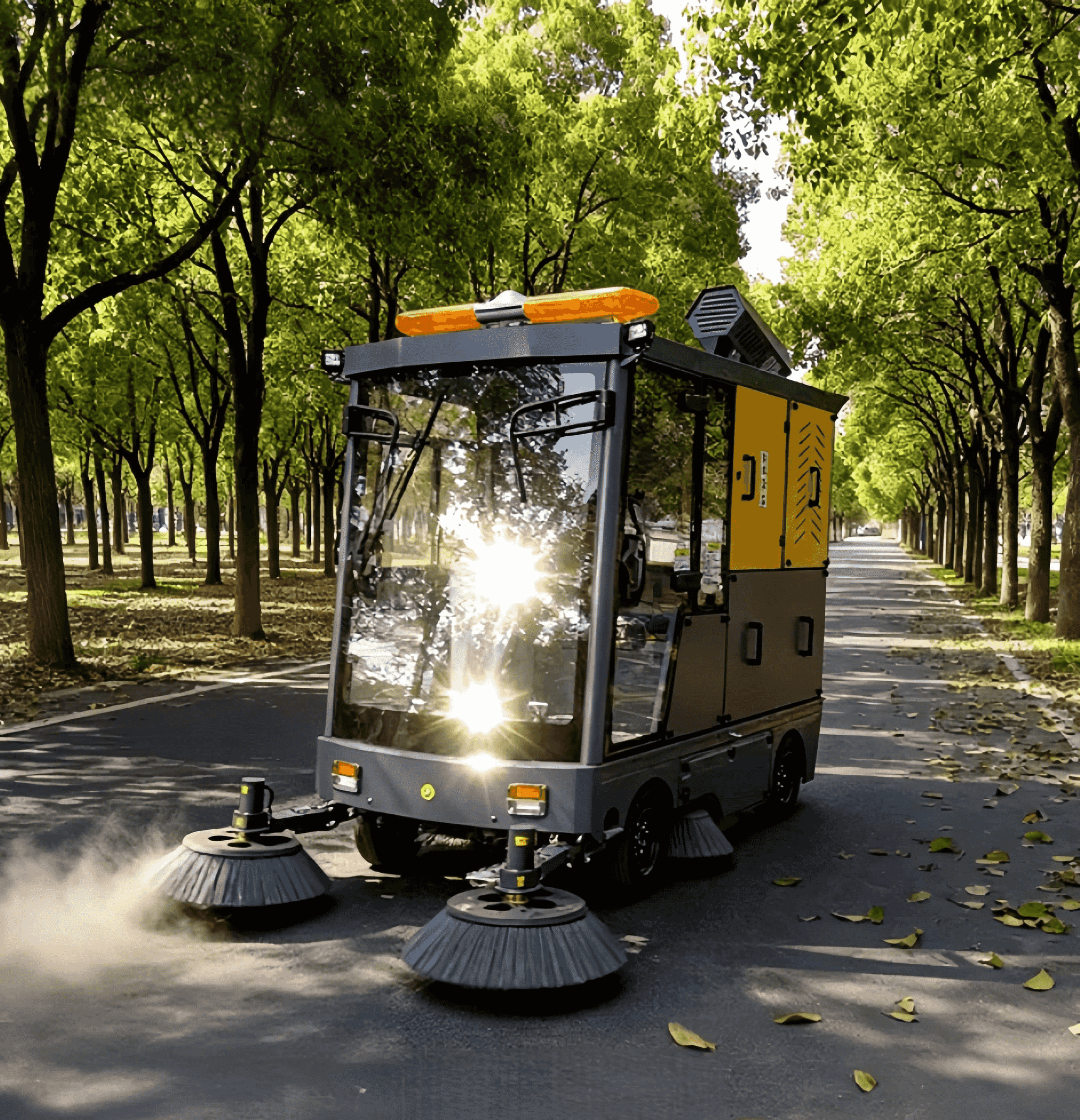
Government Environmental Sanitation Requirements and Regulatory Drivers
Compliance with EPA stormwater rules, FHWA guidelines, and municipal sustainability mandates
Cities face a real challenge when dealing with all these federal and local rules at once, since they can get hit with fines going as high as $56,460 for each violation every single day according to the EPA report from 2023. The Environmental Protection Agency runs this thing called the National Pollutant Discharge Elimination System which basically tells municipalities what to do about controlling stormwater runoff so our water stays clean. At the same time, the Federal Highway Administration has its own set of standards regarding road cleanliness because nobody wants trash on the highways where kids play after school. Most city departments these days are working towards greener goals too. Over 85 percent have started tracking things like PM2.5 levels as part of their regular work routines. All these regulations mean cities need to think carefully about how many street sweepers to deploy across town. They have to balance getting rid of pollutants properly without spending unnecessary amounts of money in the process.
Target contaminants: PM2.5/PM10, heavy metals, nutrients, and curb-to-curb debris profiles
Effective sanitation programs must address specific pollutants based on environmental and public health risks:
- Fine particulates (PM2.5/PM10): Represent 30% of urban air contaminants (WHO 2022) and are linked to respiratory and cardiovascular diseases.
- Heavy metals: Zinc, lead, and copper from vehicle brake and tire wear accumulate in soil and can leach into groundwater.
- Nutrients: Excess nitrogen and phosphorus from fertilizers contribute to algal blooms in 65% of urban watersheds.
- Curb debris: Organic matter such as leaves and litter clogs storm drains, increasing flood risk during heavy rainfall.
Tailoring sweeper selection to local contaminant profiles ensures more effective pollution control and regulatory compliance.
Street Sweeper Technology Comparison: Performance, Limitations, and Use Cases
Mechanical broom sweepers: high throughput on dry, flat pavements but poor fine particulate control
Mechanical broom sweepers work by spinning brushes and moving conveyors to pick up bigger stuff like gravel and fallen leaves. These machines are pretty good at cleaning dry, level surfaces without much hassle. But there's a catch they stir up a lot of dust during operation, sending around 70% of those tiny particles (PM2.5 and PM10) floating back into the atmosphere according to some studies. Because of this problem, cities with tight air quality regulations often avoid using them. Still, many factories and warehouses keep these sweepers running since they don't care so much about airborne contaminants as residential neighborhoods do.
Vacuum sweepers: best-in-class PM2.5 capture ideal for sensitive zones like schools and transit hubs
Vacuum sweepers work with powerful suction systems that grab those tiny particles we can't see. Studies show these machines cut down on airborne PM2.5 by around 85% when compared to regular mechanical sweepers. The way they're built keeps dust and dirt from getting back into the air, which makes them a really good choice for areas close to schools, hospitals, or busy transportation hubs where people's health matters most. Sure, they aren't as great at picking up bigger stuff like sticks or stones, but what they do best helps cities meet those tough air quality rules that have become so important in recent years.
Regenerative air sweepers: optimal balance of air/water quality compliance, water savings, and all-weather adaptability
Regenerative air sweepers work with a closed-loop system where filtered air gets recirculated to pick up and trap debris. These machines can remove about 95 percent of particulate matter (PM10) from the air without needing any water at all for dust control. The design cuts down on water usage by roughly 40% each year compared to traditional methods. What's really impressive is how well they perform even when things get tough outside. They handle ice, snow, and torrential downpours just fine without missing a beat. Cities looking to improve their air quality while also managing stormwater runoff find these sweepers particularly useful. Many municipalities are adopting them as part of broader green initiatives aimed at making urban areas cleaner and more sustainable over time.
Real-World Operational Factors That Impact Street Sweeper Efficacy in Municipal Settings
How pavement condition, parked vehicle density, speed, and operator training affect collection efficiency
Street sweeping doesn't work as well in practice as we might hope, and there are four main reasons why. First off, roads in bad shape with all those cracks and potholes just trap dirt and trash, making the sweeper miss about 15 to 30 percent of what it should collect. Then there's the problem of too many cars parked along the street. When over 70% of the curb space is taken, sweepers have no choice but to skip parts of the route, which means dirt stays around longer than it should. Speed matters too. If operators go faster than 8 mph, they start missing stuff fast - about 18% less collection for every extra 5 mph. The best results happen when going slow, somewhere between 3 and 7 mph according to studies from NIMES. And let's not forget about training. Operators who've been properly certified can pick up 40% more particles because they know how to adjust those brushes, set the suction right, and line up the nozzles correctly. Cities that pay attention to all these things find they need to run their sweepers half as often, saving money and keeping streets cleaner for longer periods.
FAQ Section
What are the fines for non-compliance with EPA stormwater rules?
Cities could face fines of up to $56,460 for each violation every single day according to the EPA report from 2023.
What contaminants should effective sanitation programs address?
Programs must tackle PM2.5/PM10, heavy metals, nutrients, and curb-to-curb debris to control urban pollution effectively.
Table of Contents
- Government Environmental Sanitation Requirements and Regulatory Drivers
-
Street Sweeper Technology Comparison: Performance, Limitations, and Use Cases
- Mechanical broom sweepers: high throughput on dry, flat pavements but poor fine particulate control
- Vacuum sweepers: best-in-class PM2.5 capture ideal for sensitive zones like schools and transit hubs
- Regenerative air sweepers: optimal balance of air/water quality compliance, water savings, and all-weather adaptability
- Real-World Operational Factors That Impact Street Sweeper Efficacy in Municipal Settings
- FAQ Section